ZISAI was born in Chengde in 1998, when dial-up access, static HTML, email, chat rooms and forums shaped many people’s first experience of the internet. From a local information site to an online community and a personal blog, its tools and formats have changed, while recording and sharing have continued. These saved images show interfaces, features and design styles; they are not a complete development timeline.
Beginning in 1998
I began building ZISAI in 1998. Connections were slow, pages relied on text and simple pictures, and building a website meant writing HTML and working out many features myself. Local websites offered both information and a new way to discover the internet and exchange ideas.
1998: Early pages
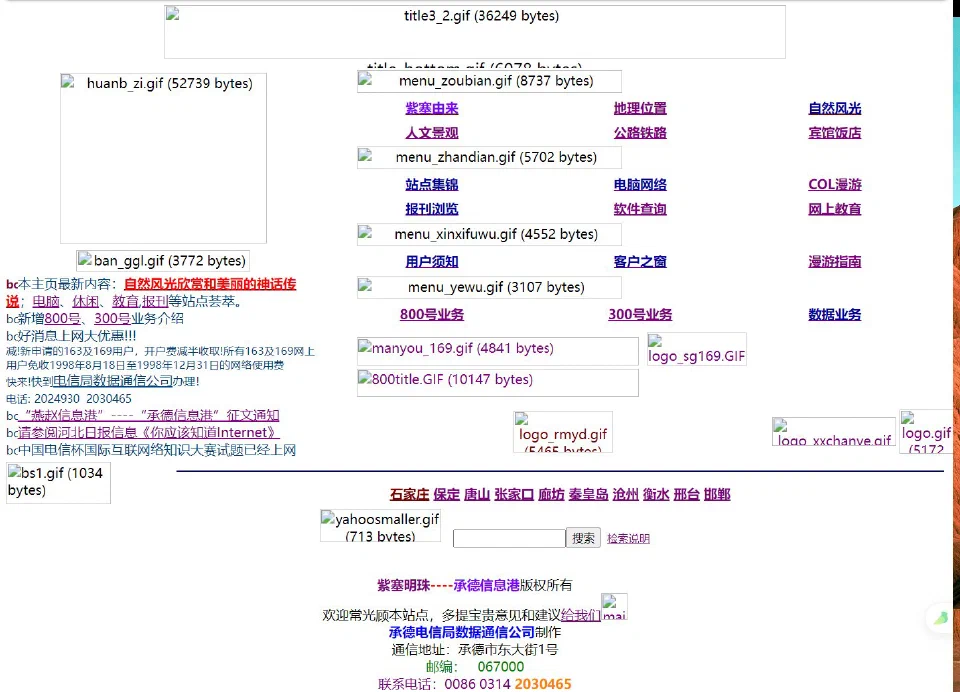
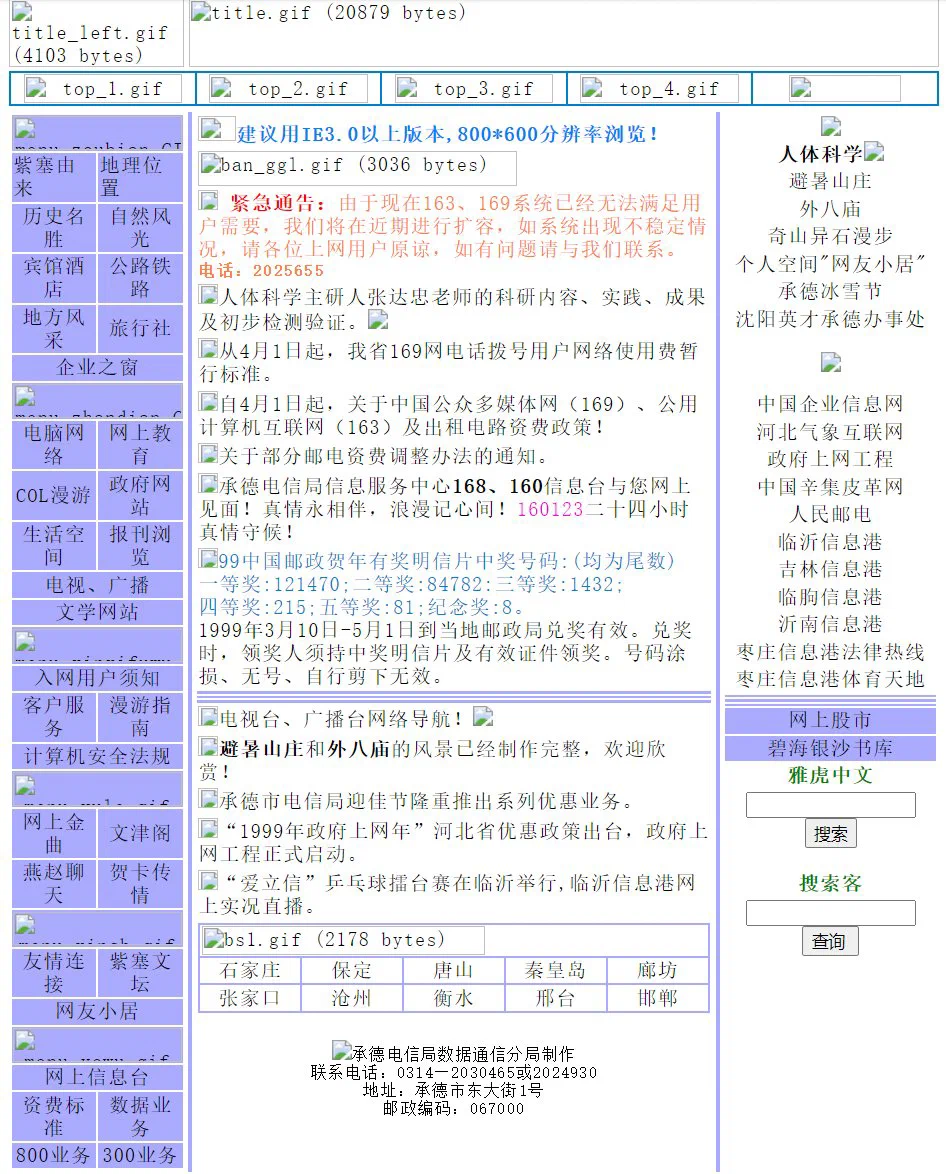
The designs were simple, but publishing and conversation already mattered. Technically basic by today’s standards, they retain the character of the early web.
1999: Content and user features
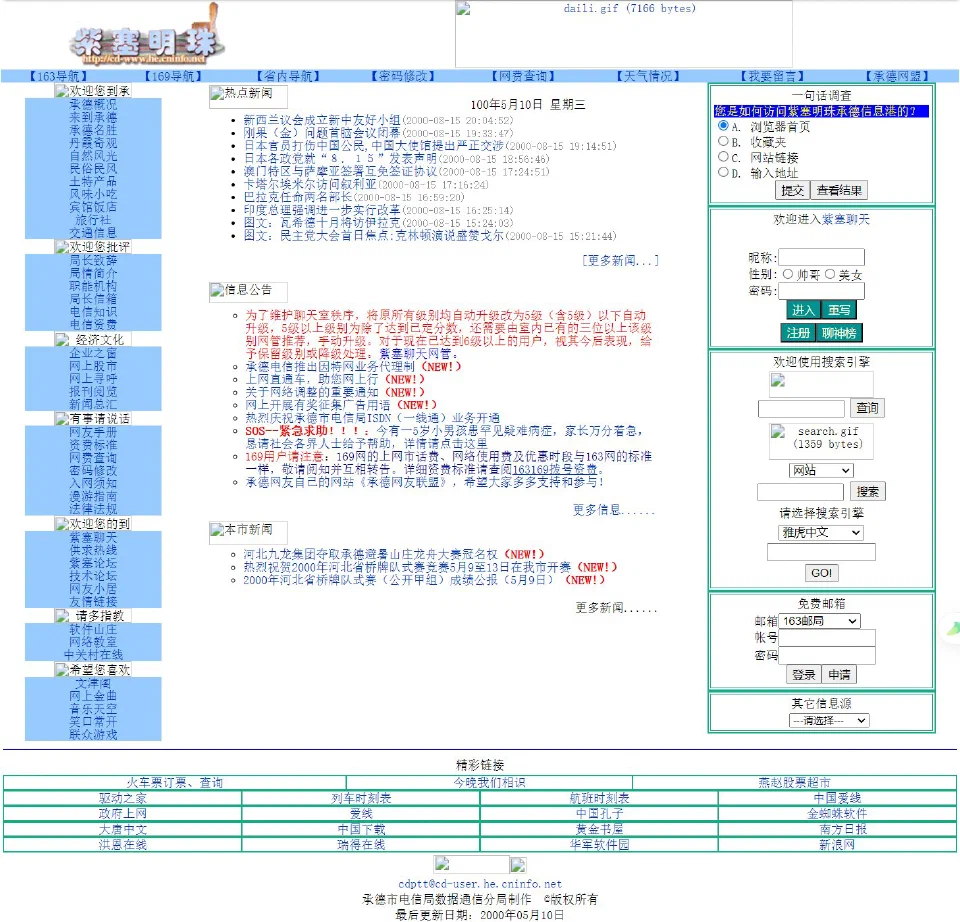
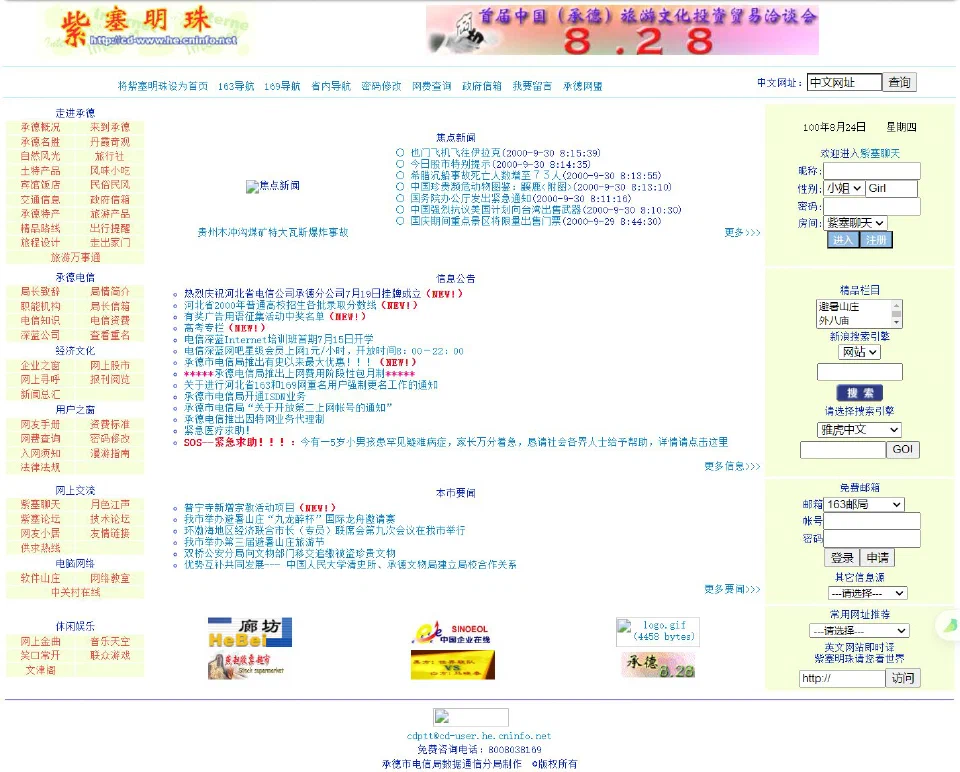
As more people went online, navigation, content organization and user management developed. Registration and participation brought a stronger sense of community.
Portals and online communities
At the start of the new century, personal homepages, email, forums, chat and images became central to websites. ZISAI followed this development too. The images below follow the years in the saved material to show webpage forms; they do not establish when each feature was first launched.
2000: Personal homepages and services
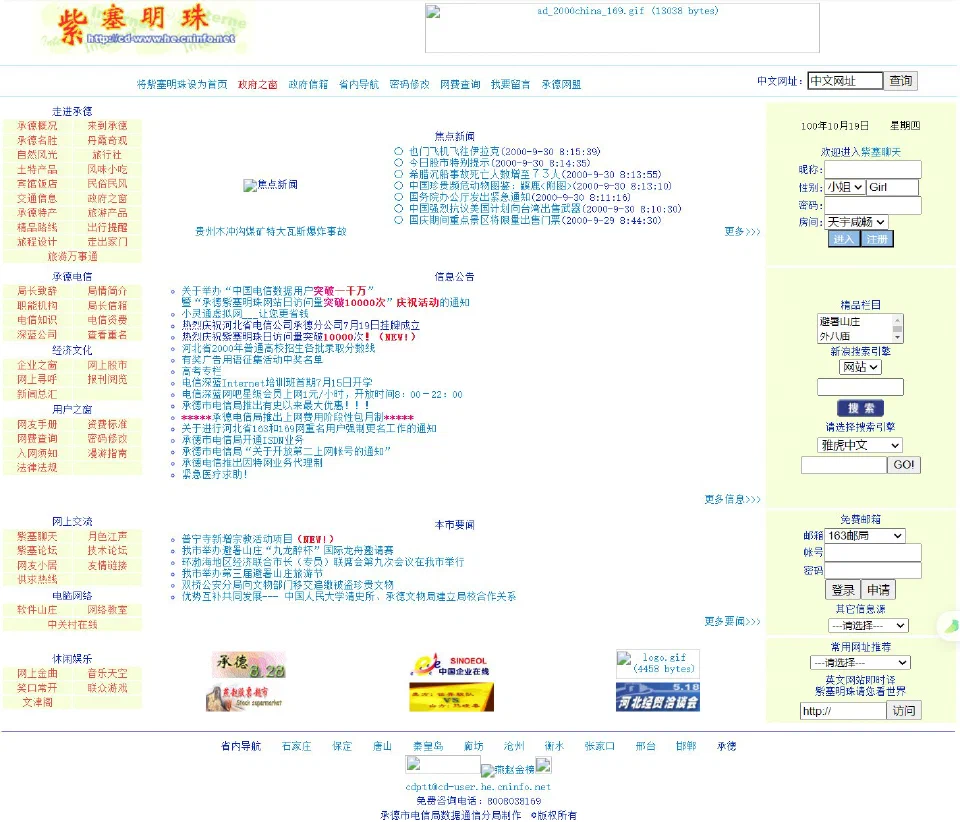
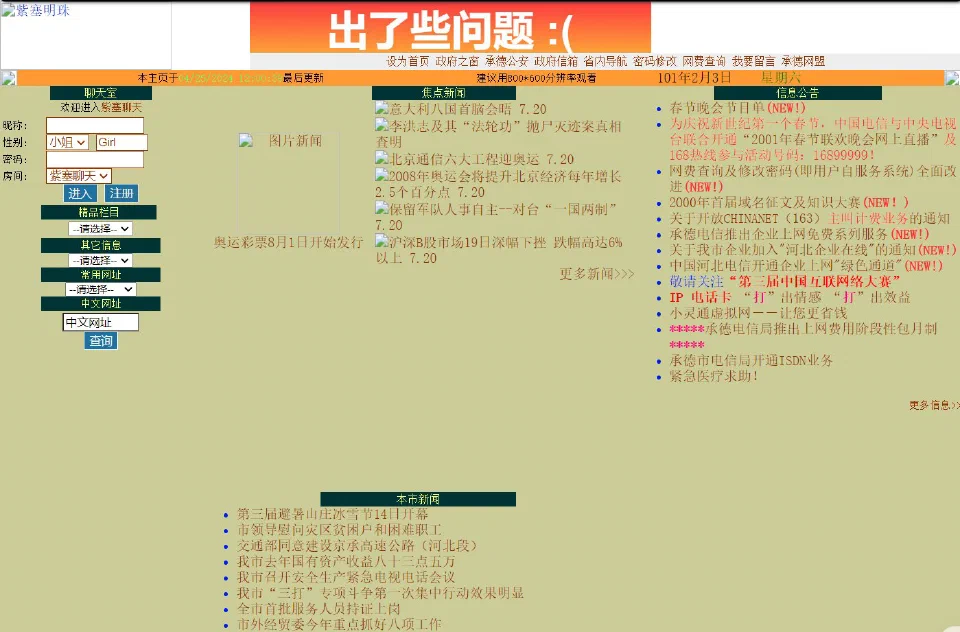
Before social media, a personal webpage was an important way to express yourself. Having your own page could feel like a real achievement.
2001: Forums and community discussion
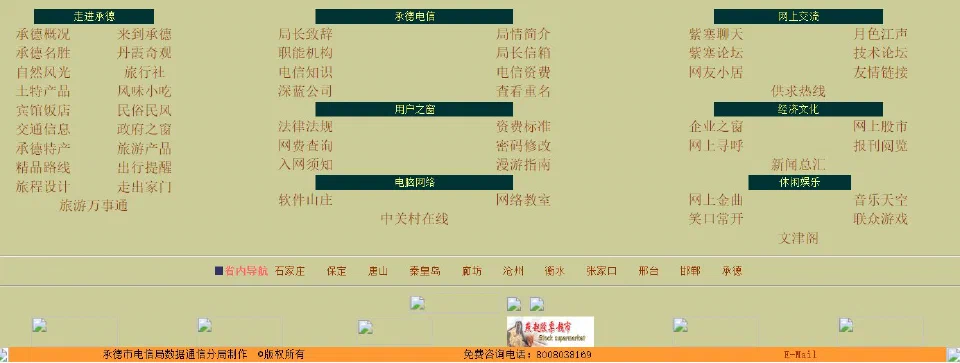
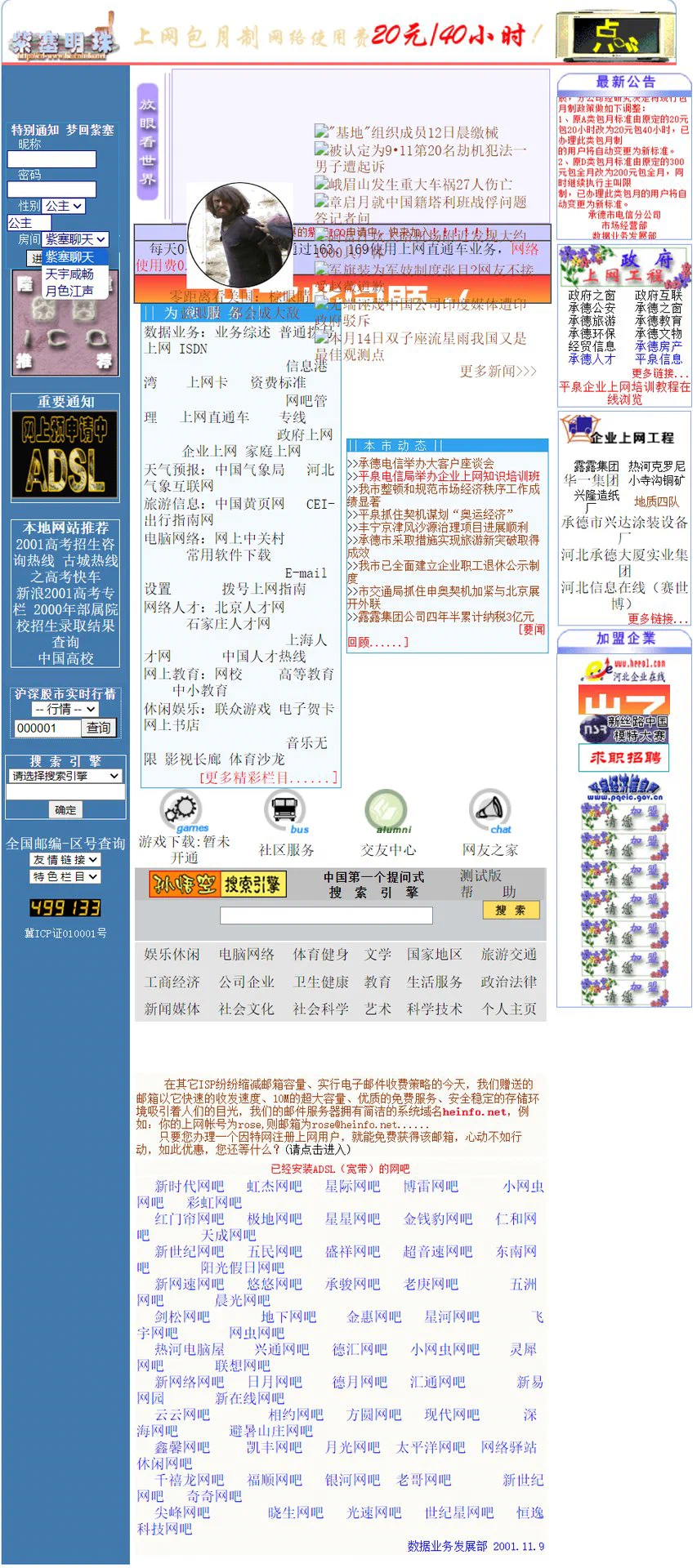
Forums were among the liveliest places on the local internet. Discussion of life, technology, literature and the city turned screen names into real connections.
2002: Online conversation
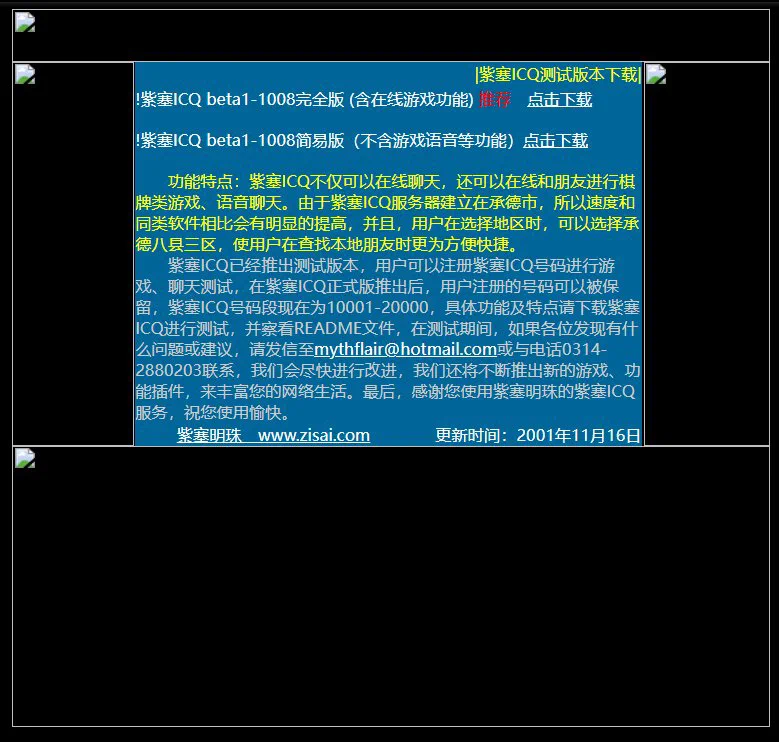
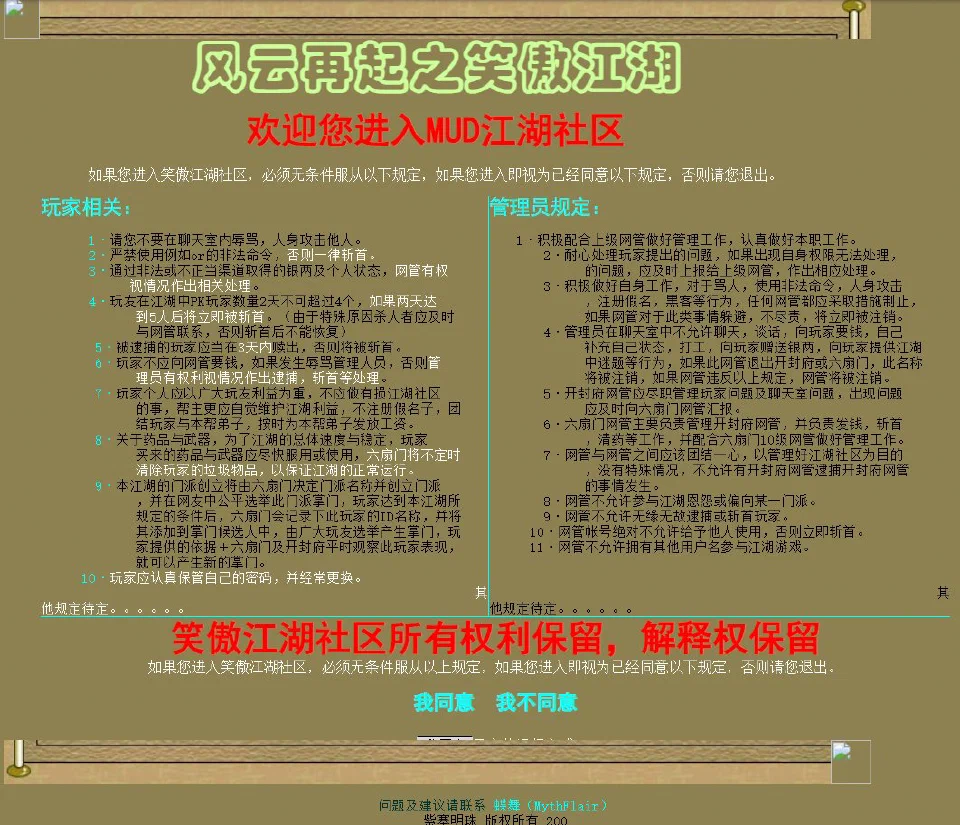
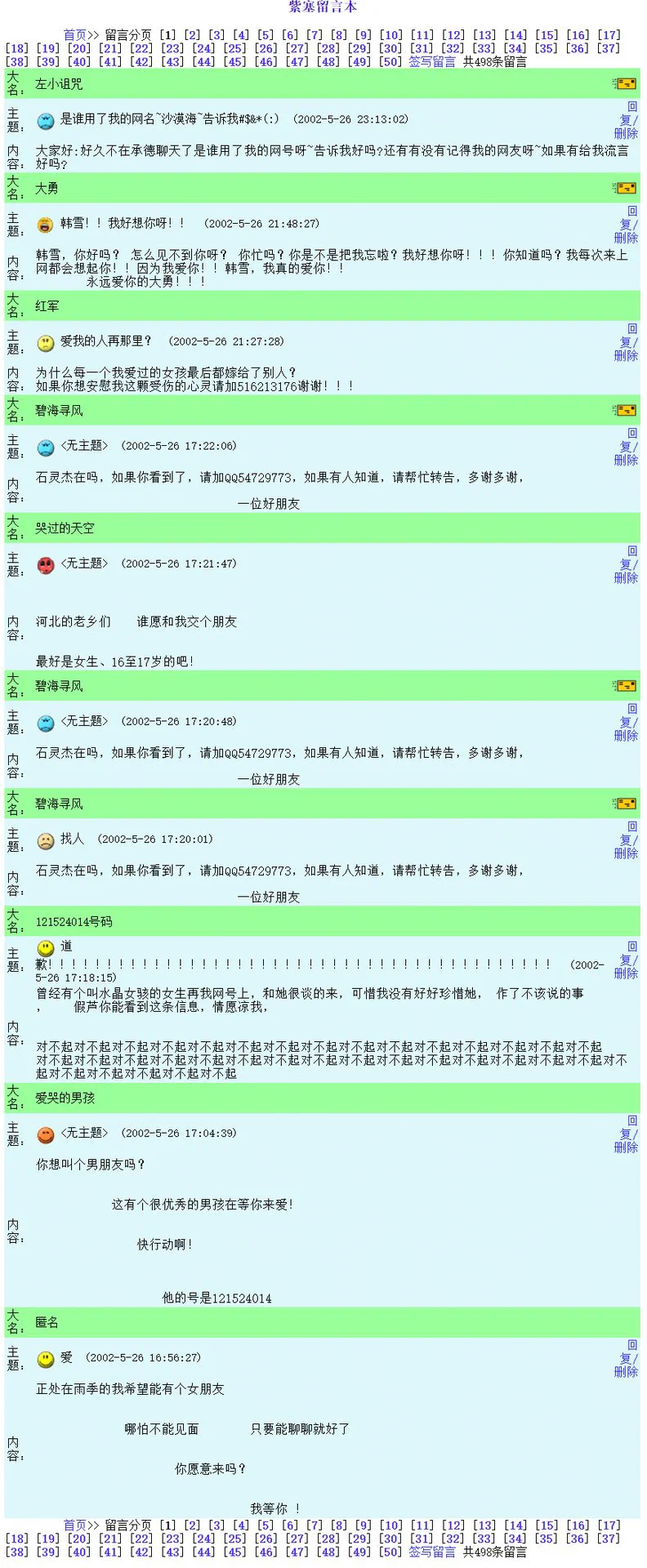
Chat rooms explored real-time interaction. What seems ordinary today was an important introduction to online social life.
2003: Images and multimedia
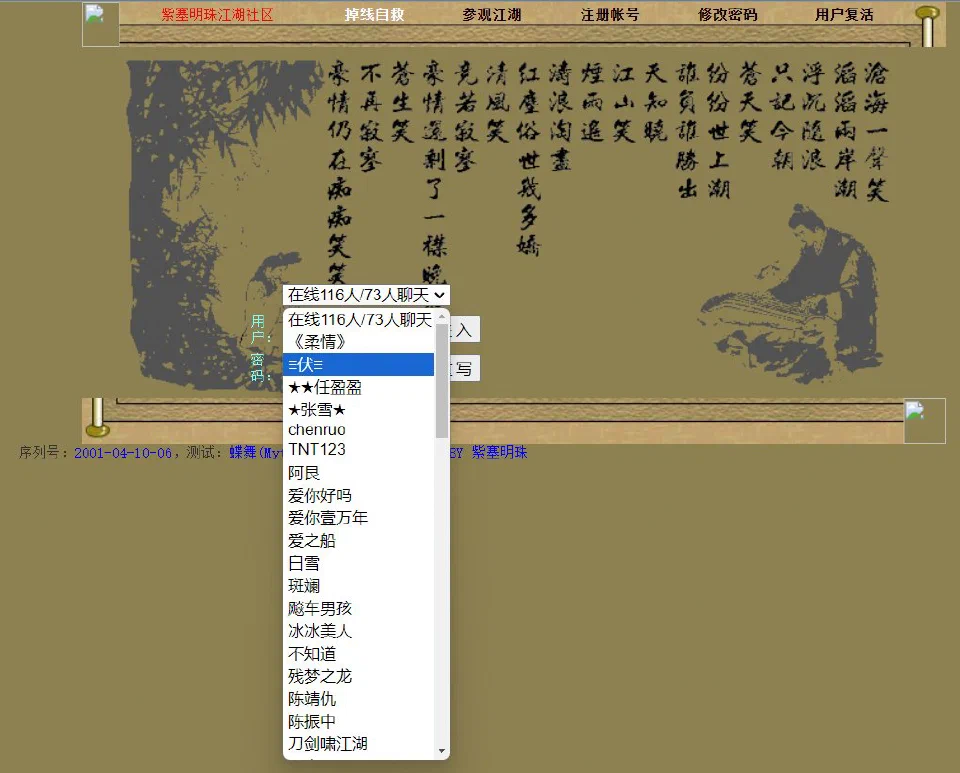
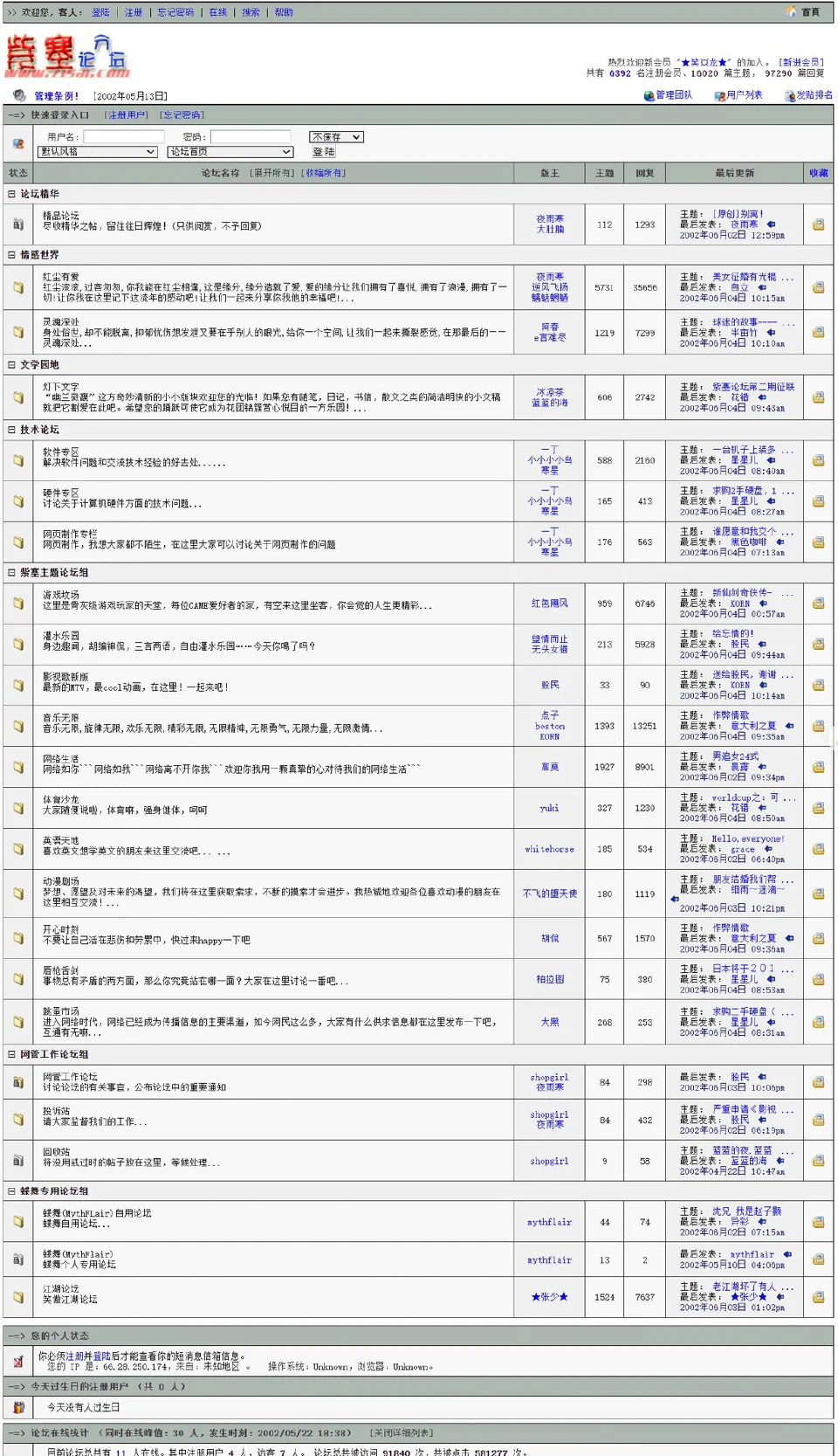
Improved connections made richer images and multimedia possible, providing more ways to show Chengde’s scenery, local life and users’ work.
2004: Operations and commercial experiments
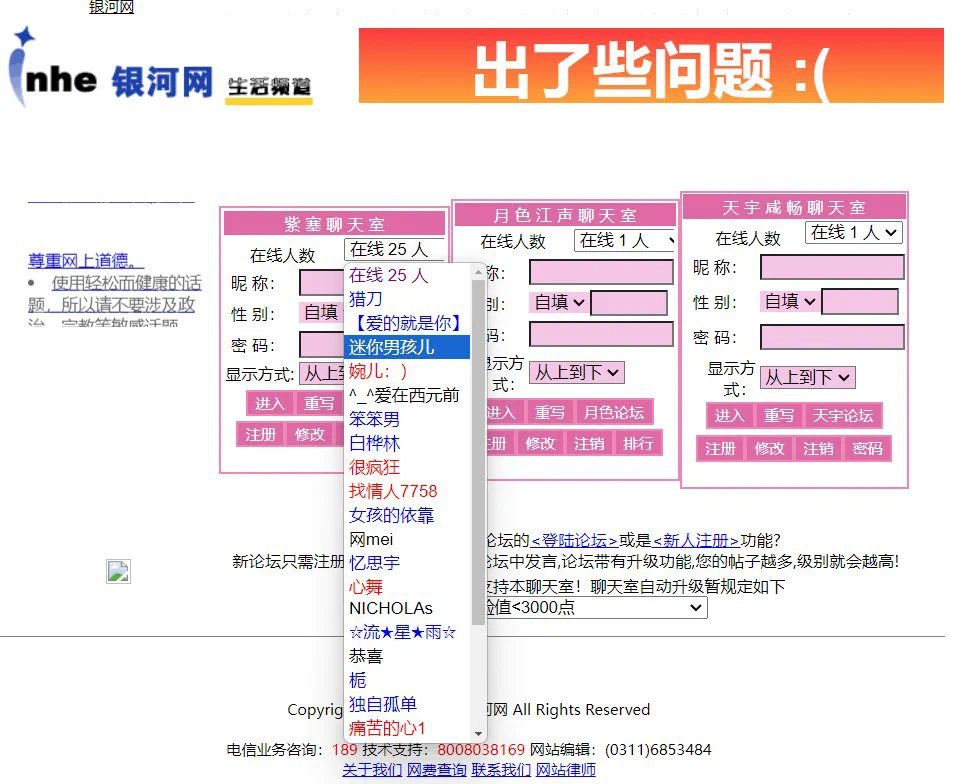
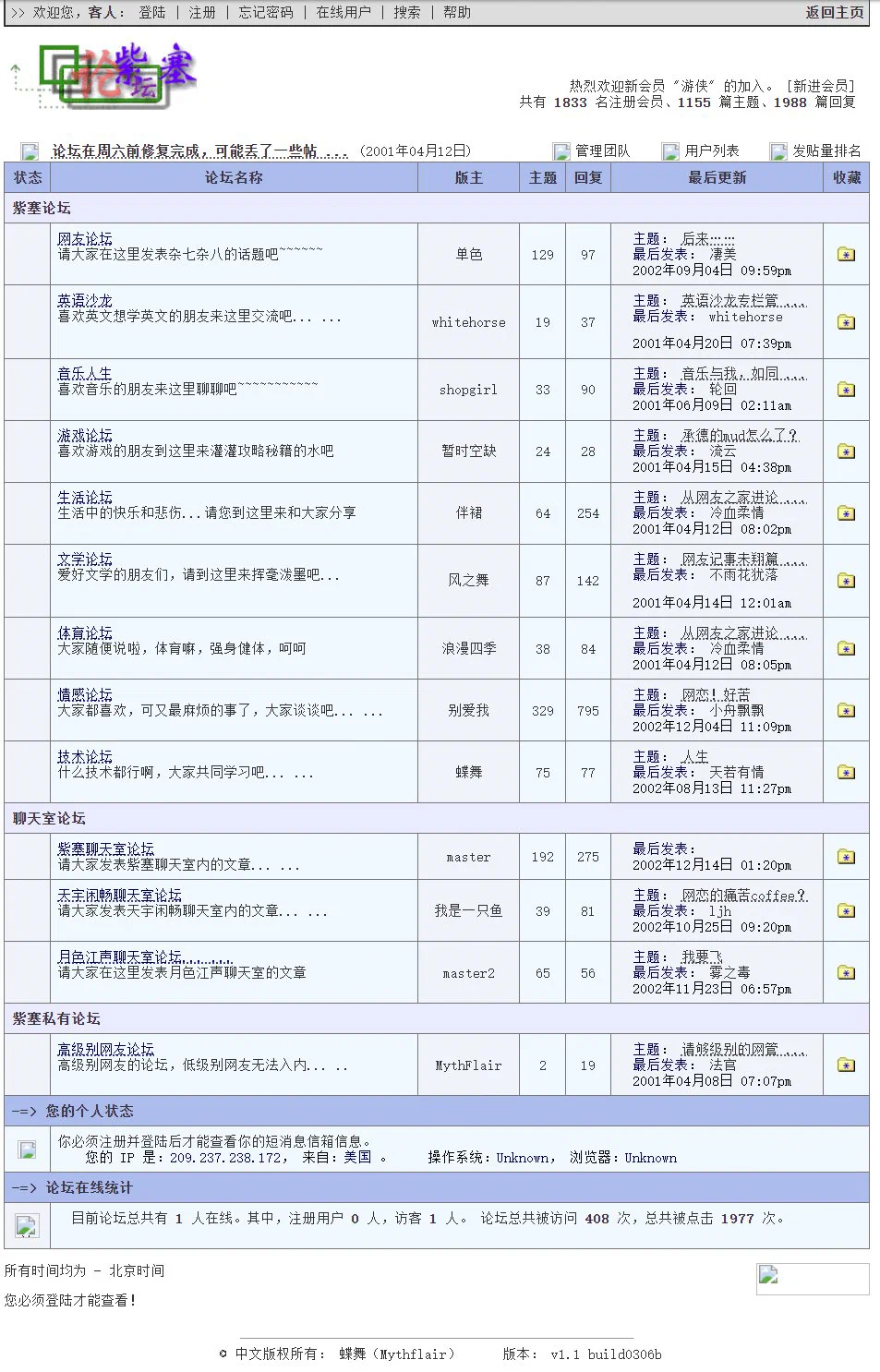
Local websites explored advertising and information services. Beyond coding, their builders faced server, bandwidth, maintenance and operating costs.
2005: Video and multimedia experiments

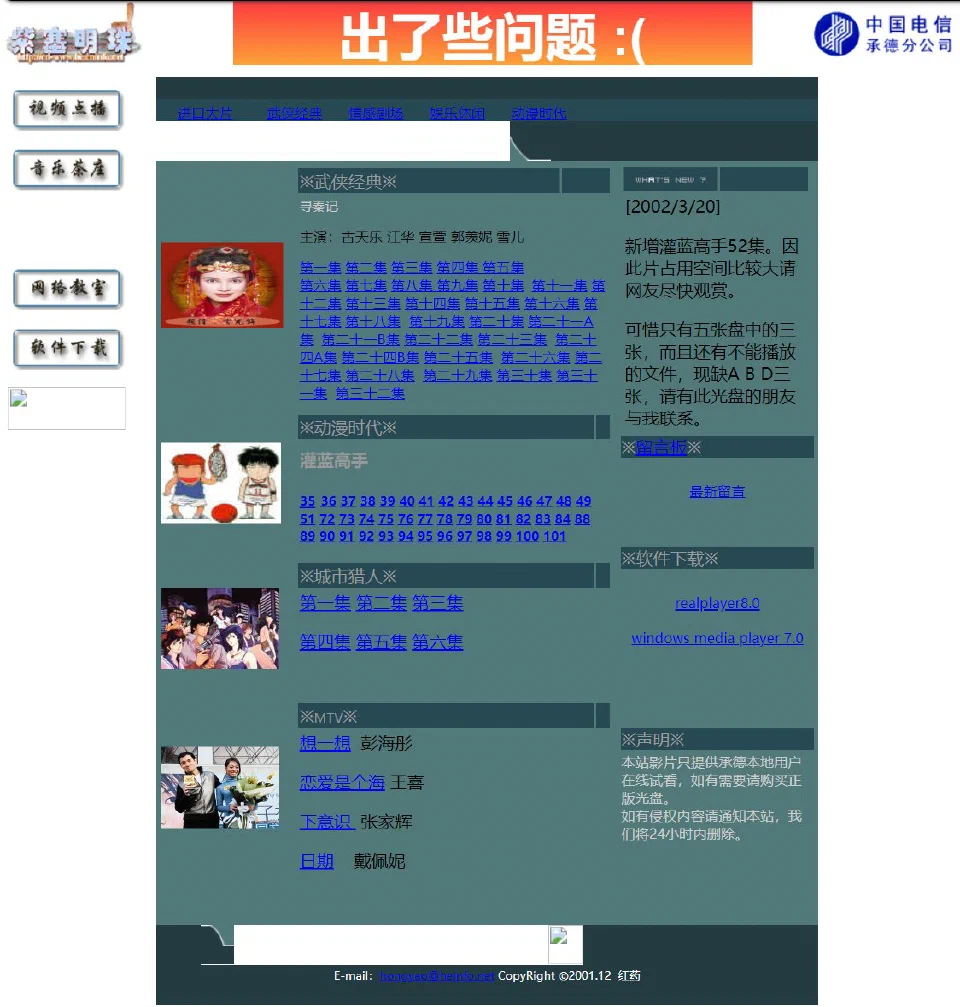
Online video was far less common because of bandwidth and technical limits, but it already suggested how internet content would change.
2006: The Web 2.0 era
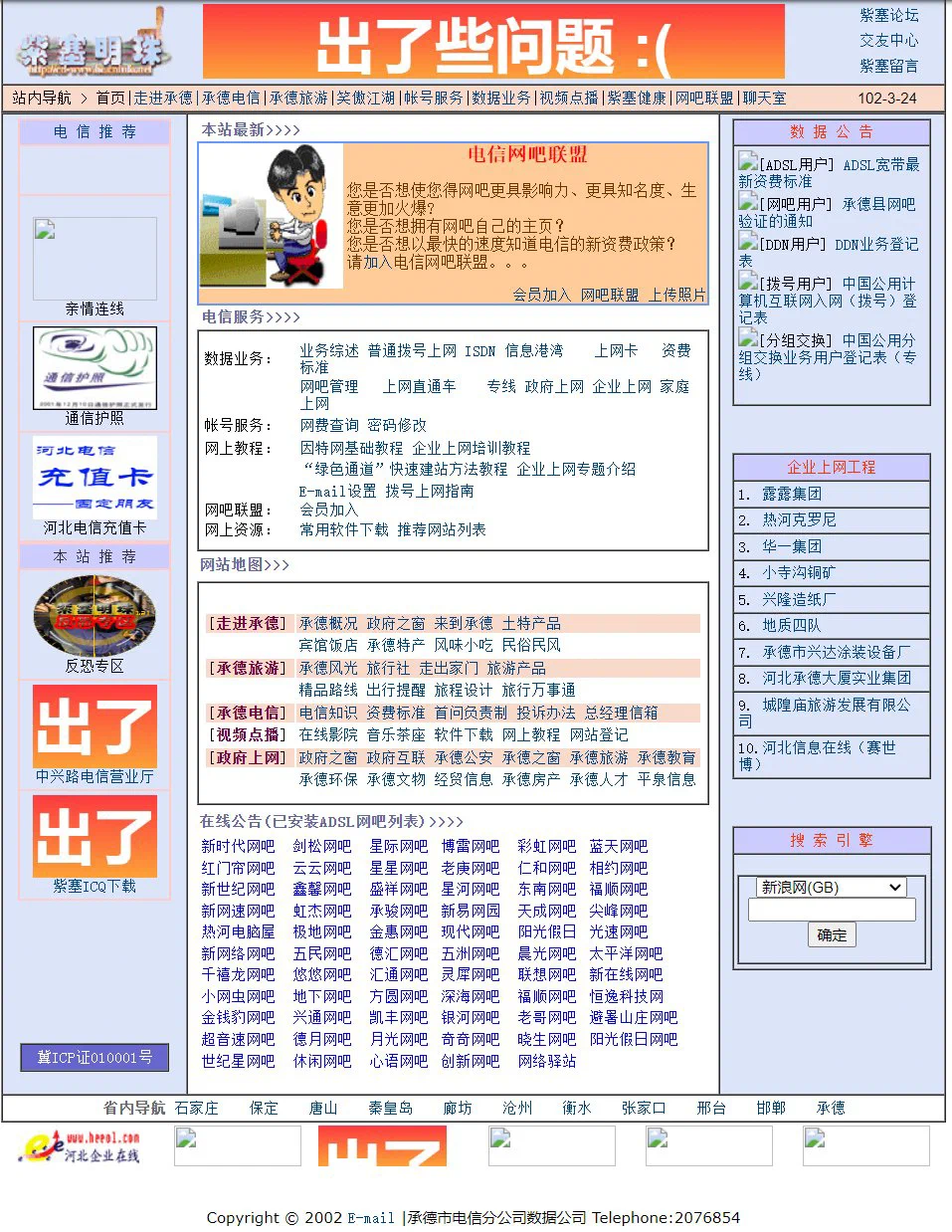
Participation, sharing and interaction became important directions. Users increasingly created content alongside site administrators.
2007: Interests and communities
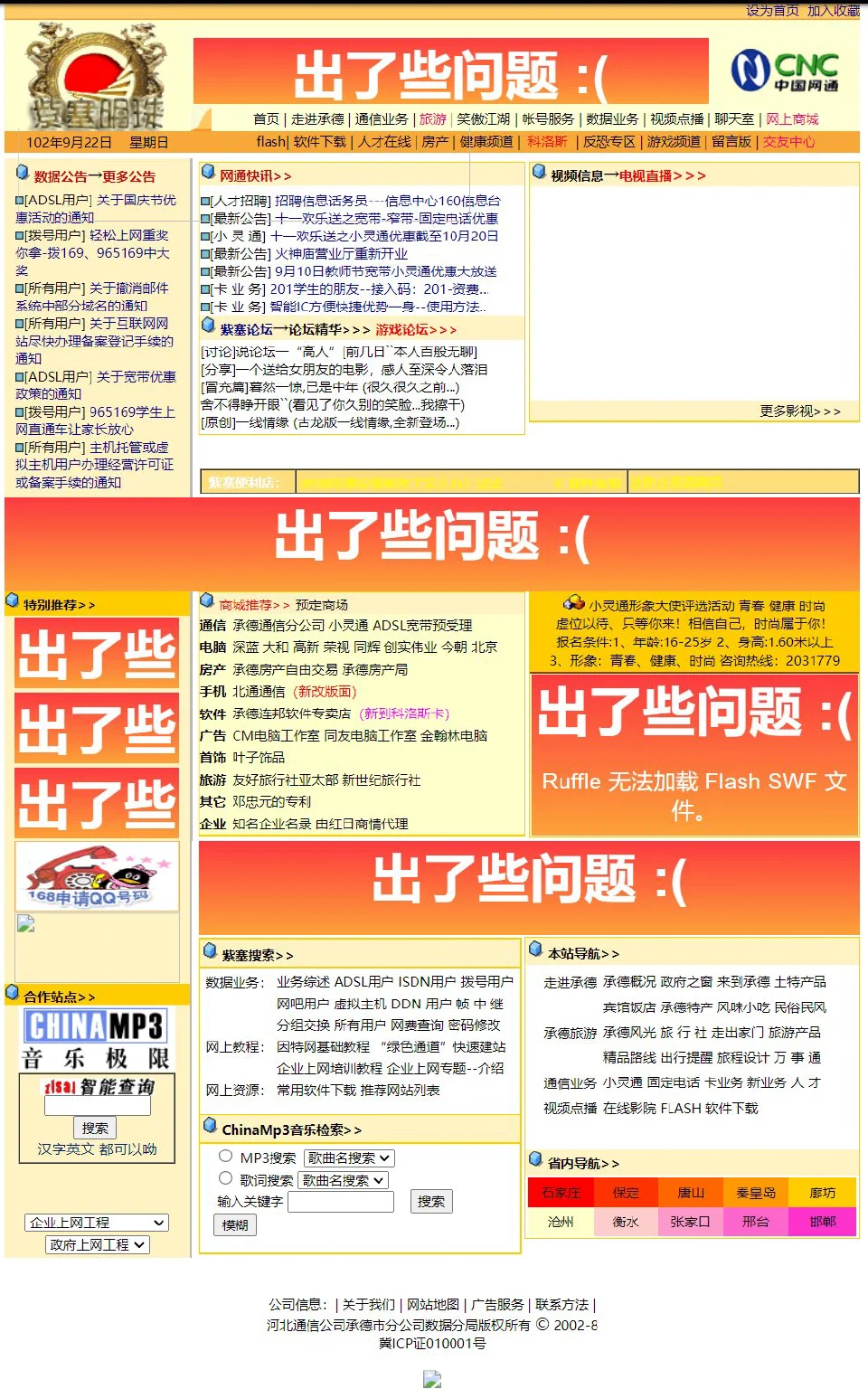
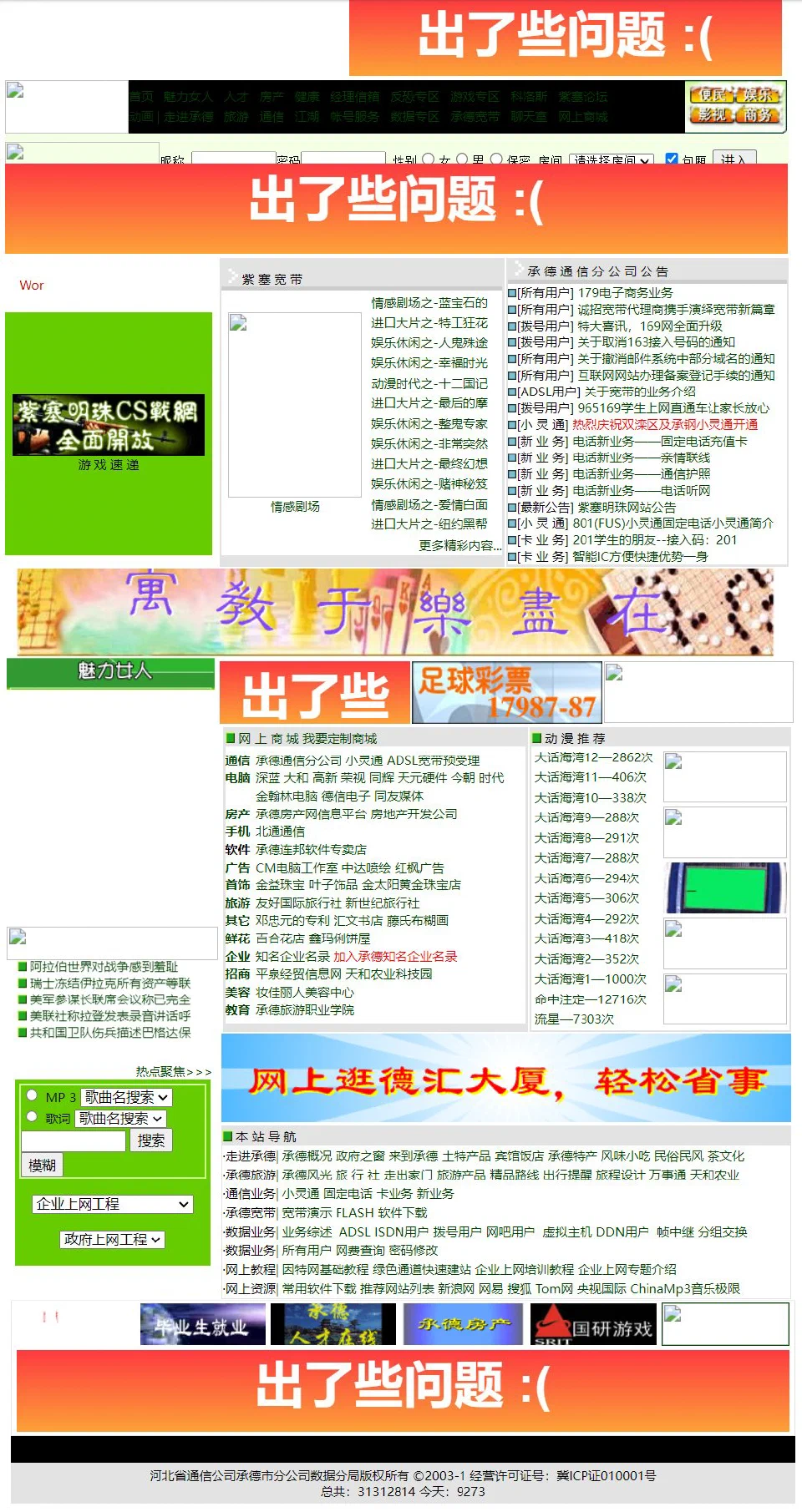
Shared interests brought people together. Photography, literature, daily life and local culture connected online discussion to everyday experience.
Changes brought by mobile internet
After 2008, smartphones, mobile networks and social platforms gradually changed how people found information and communicated. Traditional portals and forums faced new competition; fixed-width pages began giving way to mobile layouts.
2008: Exploring mobile access
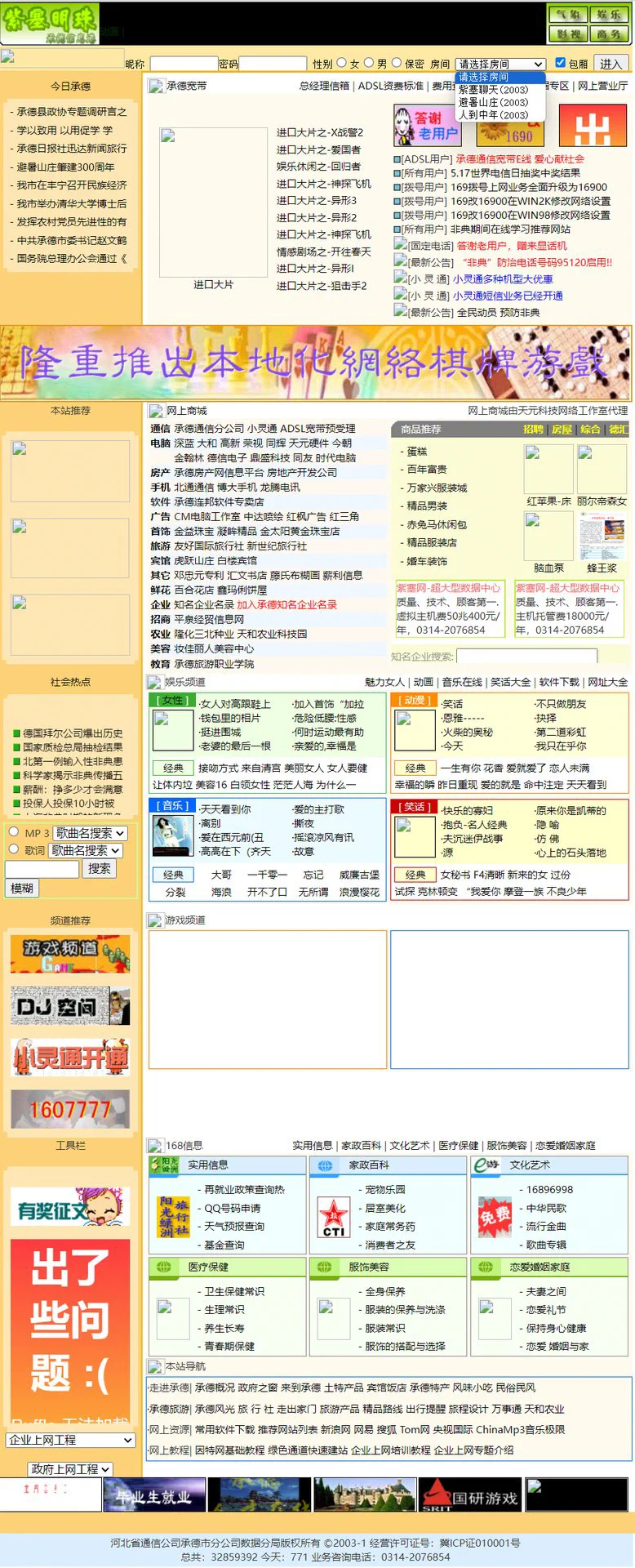
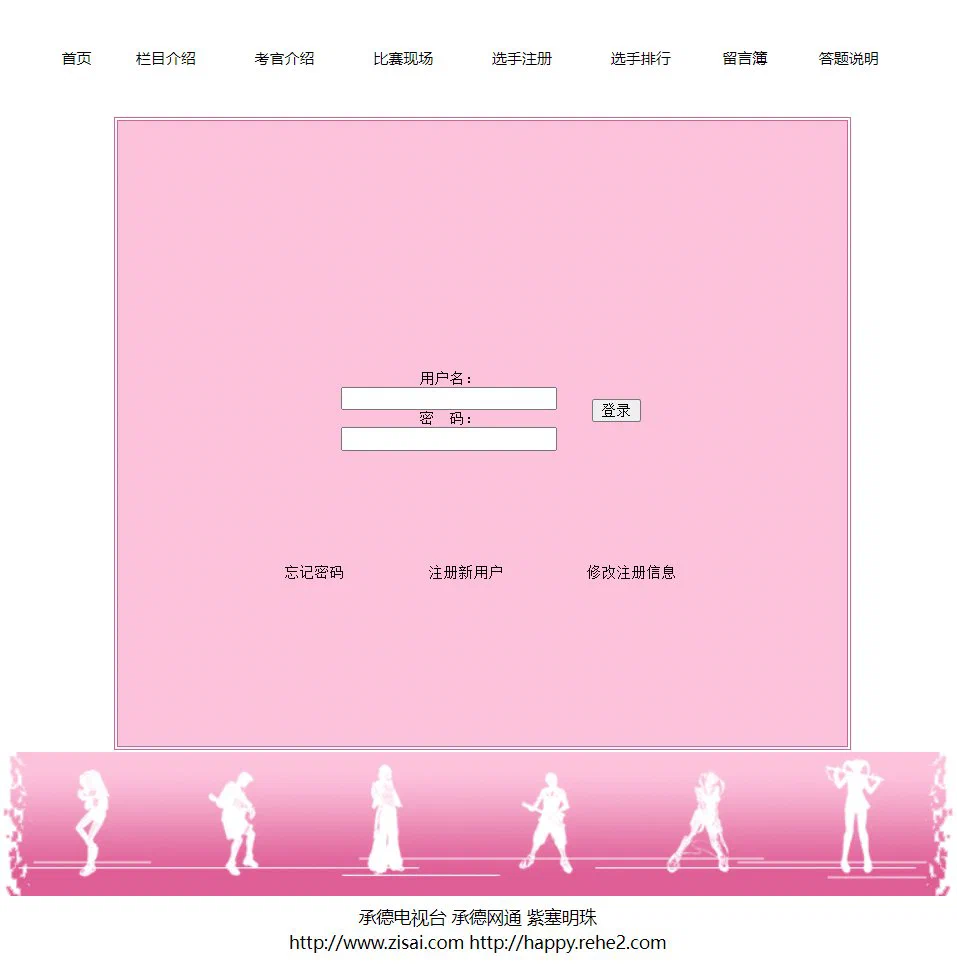
Mobile devices encouraged a fresh look at screen sizes, page structure and access efficiency.
2009: Content organization and recommendations
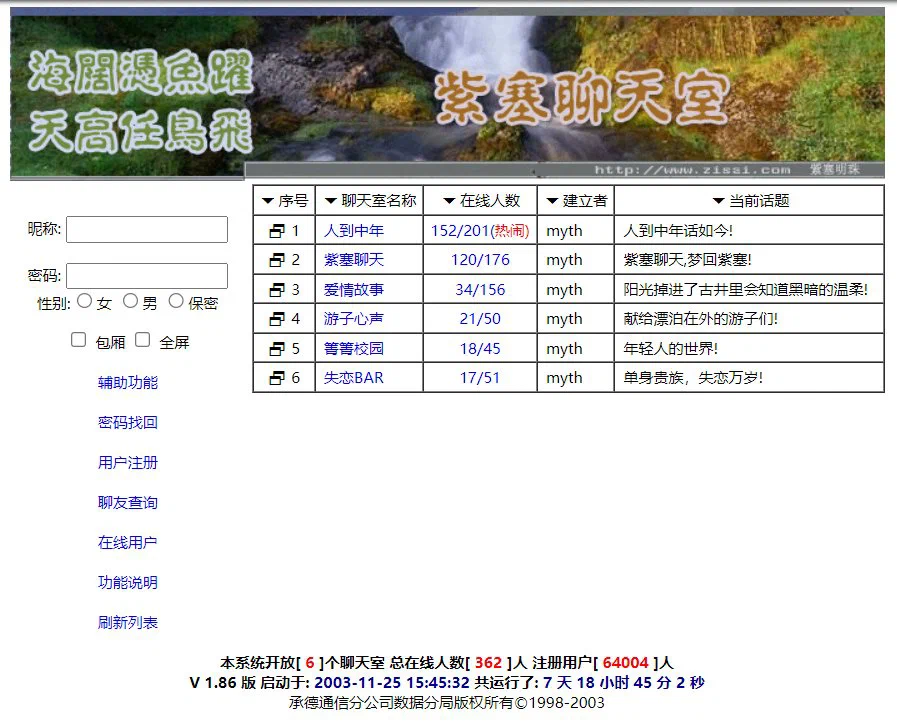
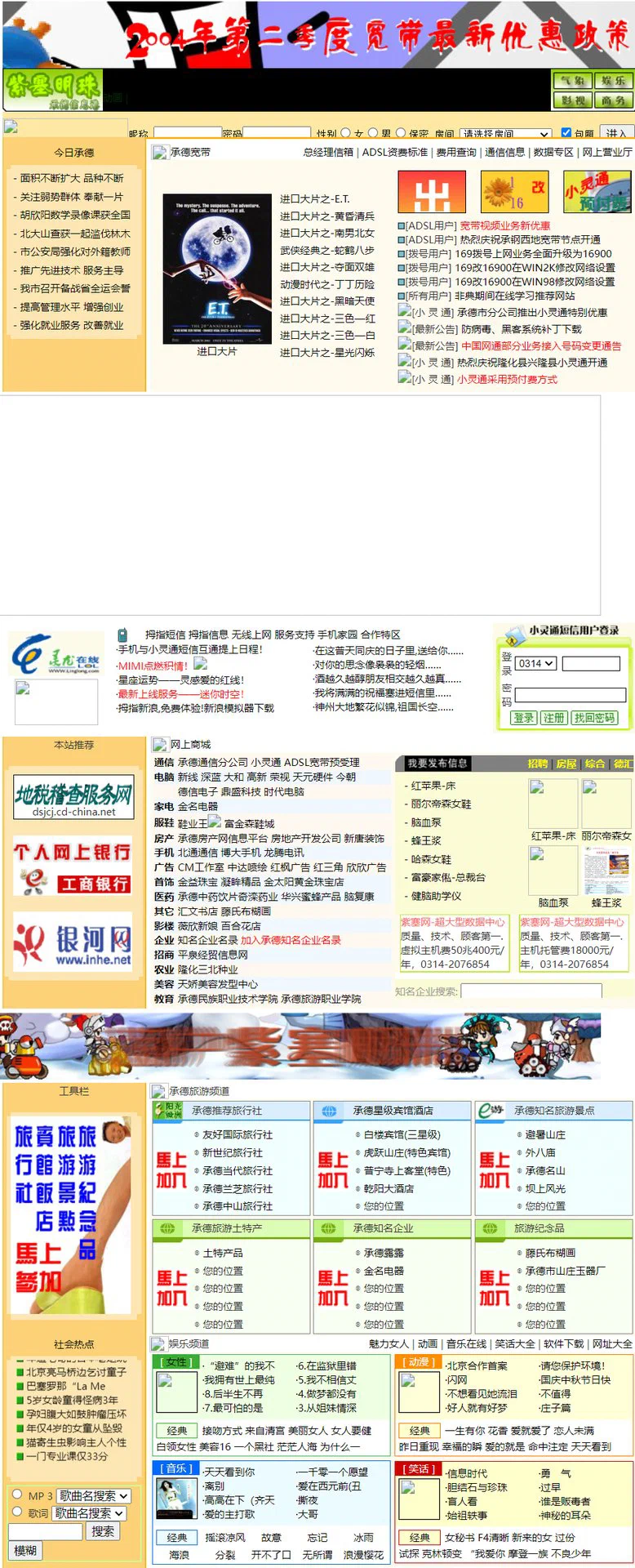
As information multiplied, helping readers find relevant material became an important design challenge.
2010: Traditional communities face change
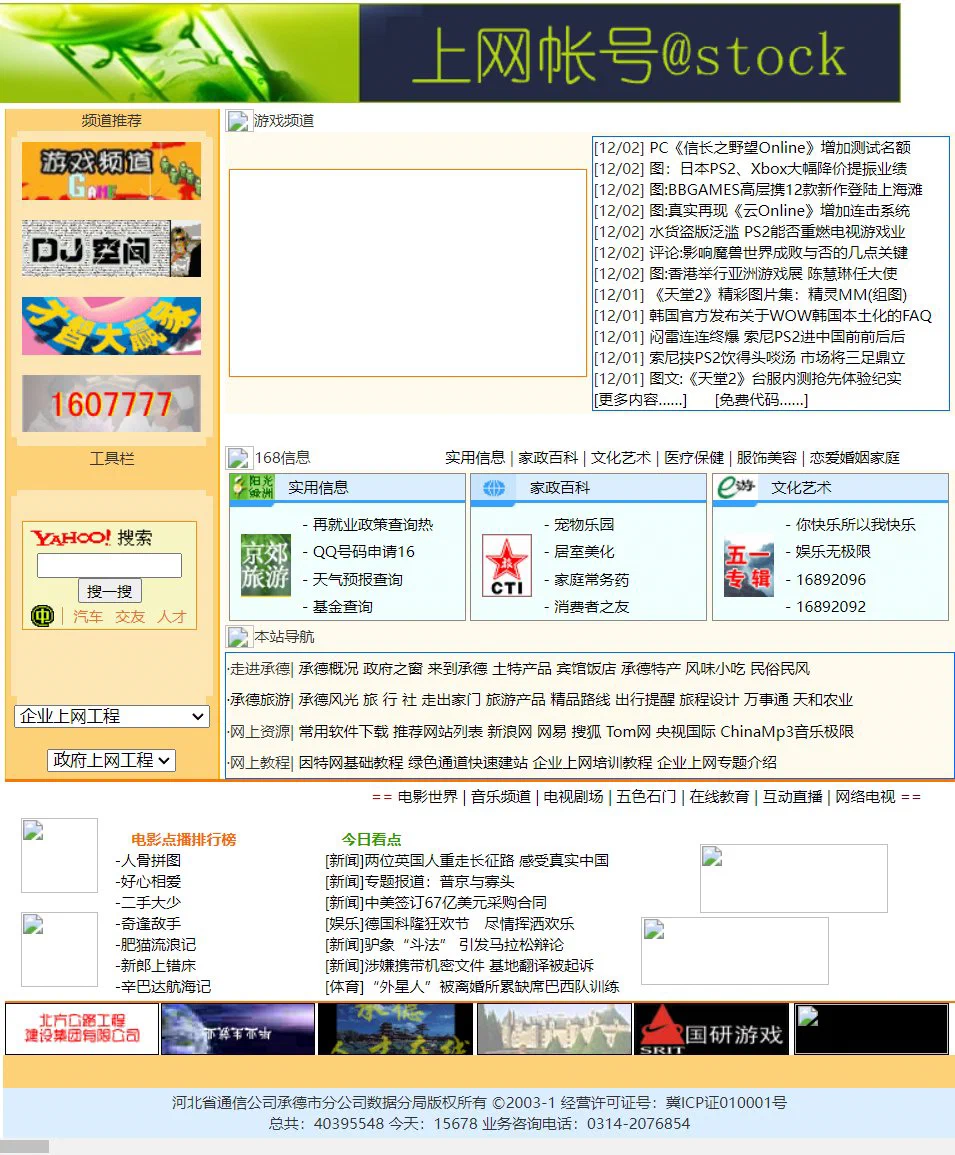
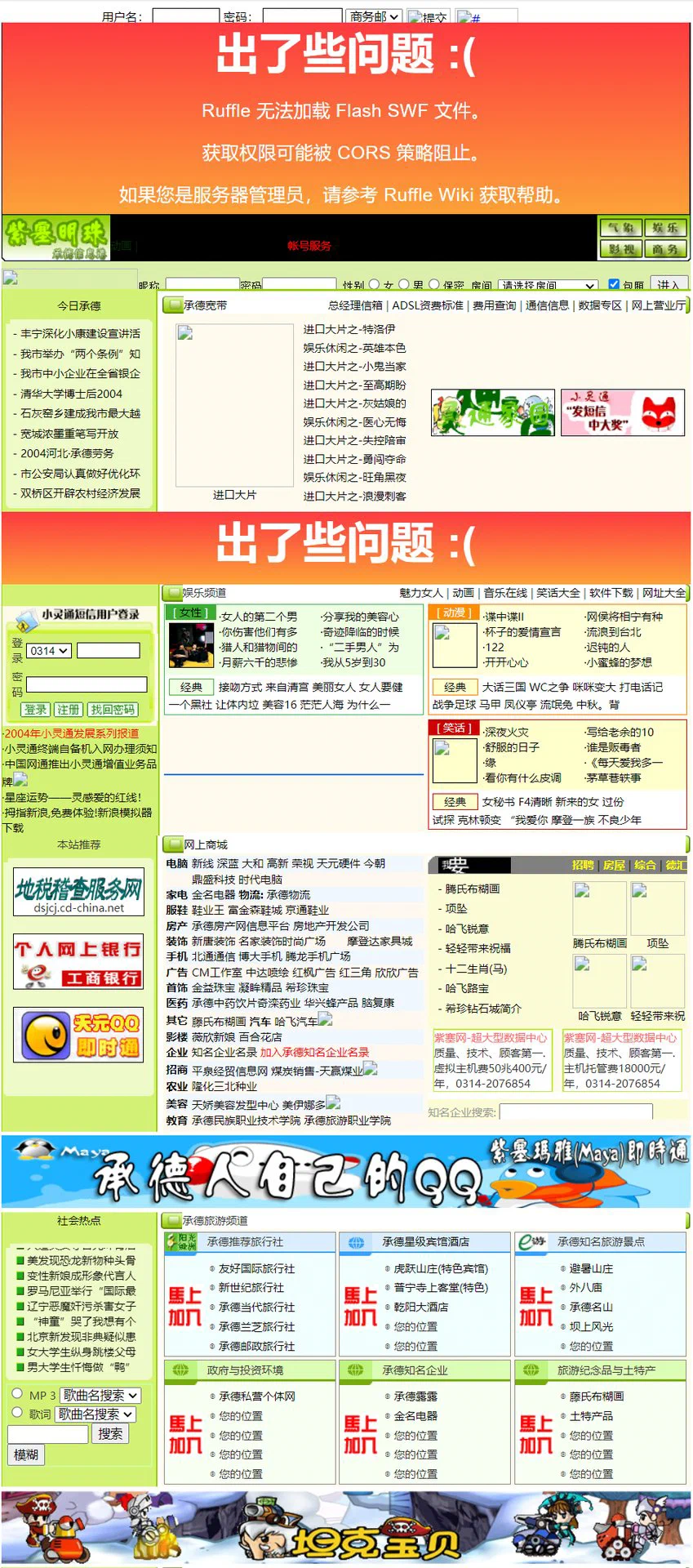
Social networks changed forum habits. Keeping local communities active and regularly updated became a long-term task.
2011: Interfaces and user experience
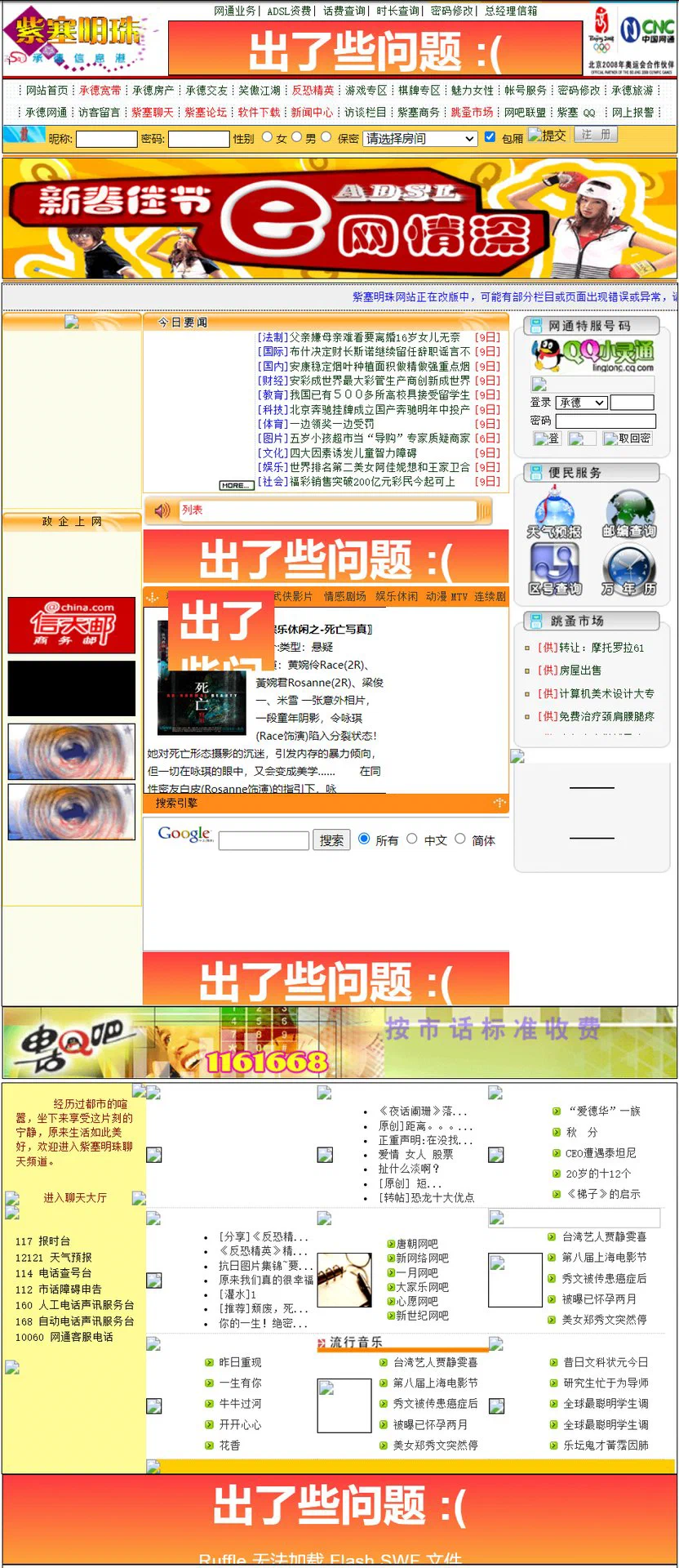
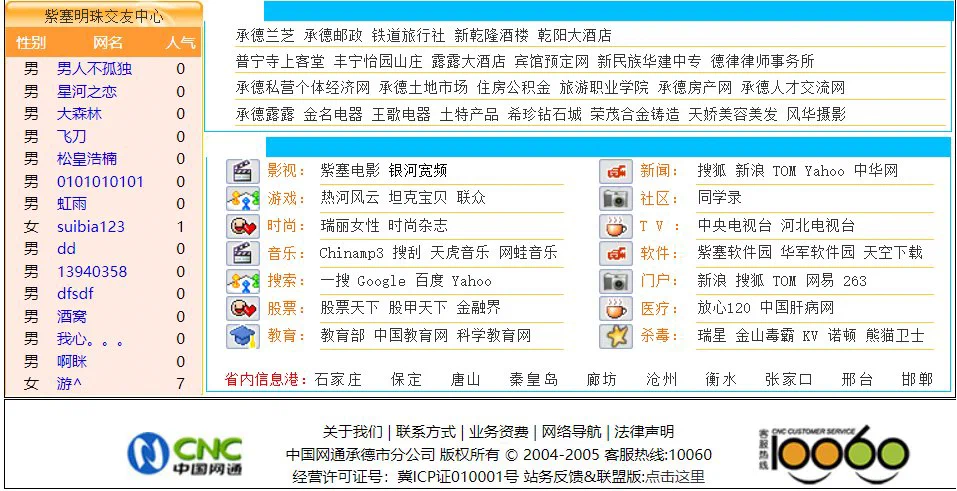
Page layouts, user centers and interaction design became increasingly important as web technology advanced.
2012: Access across devices
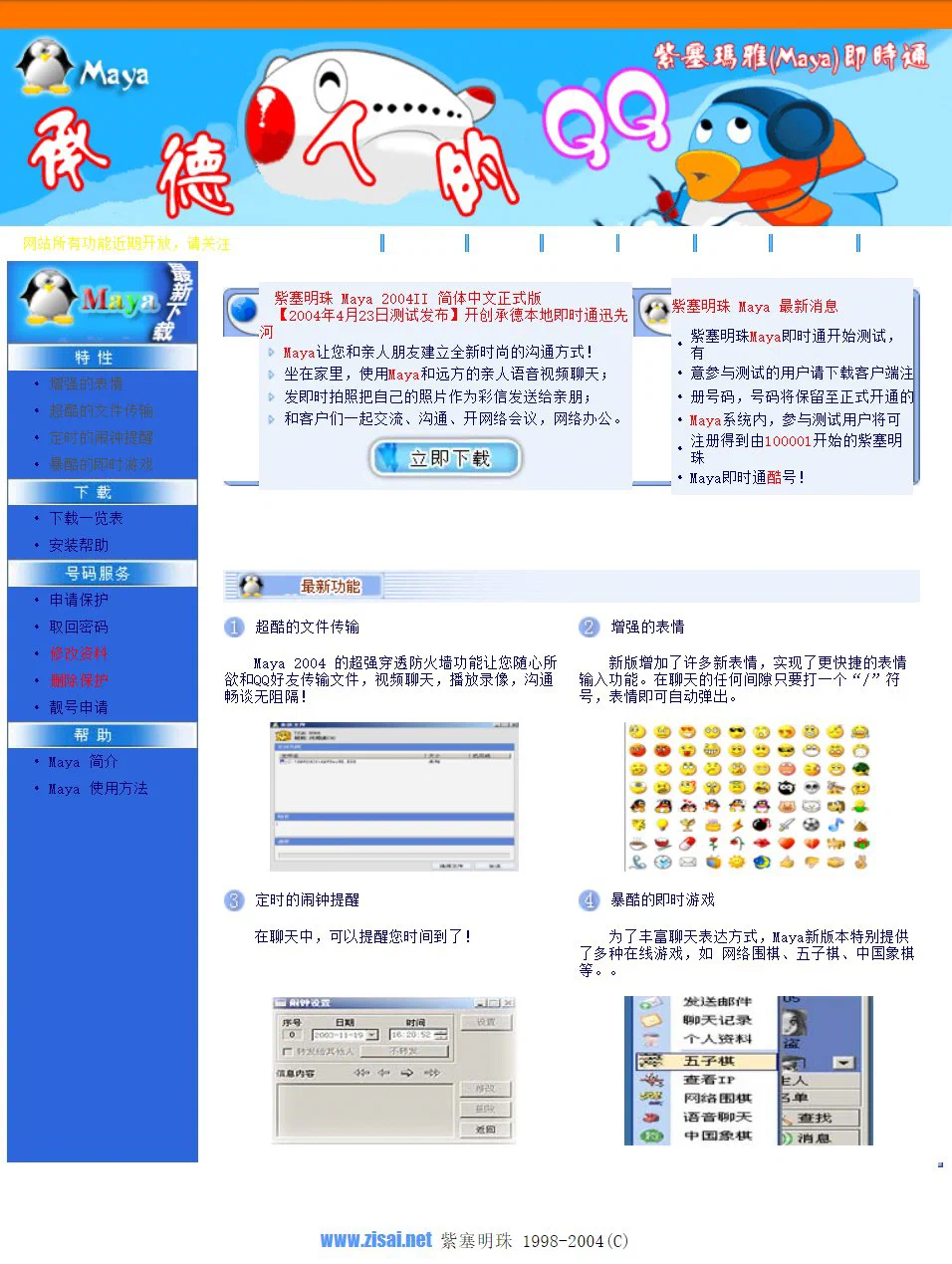
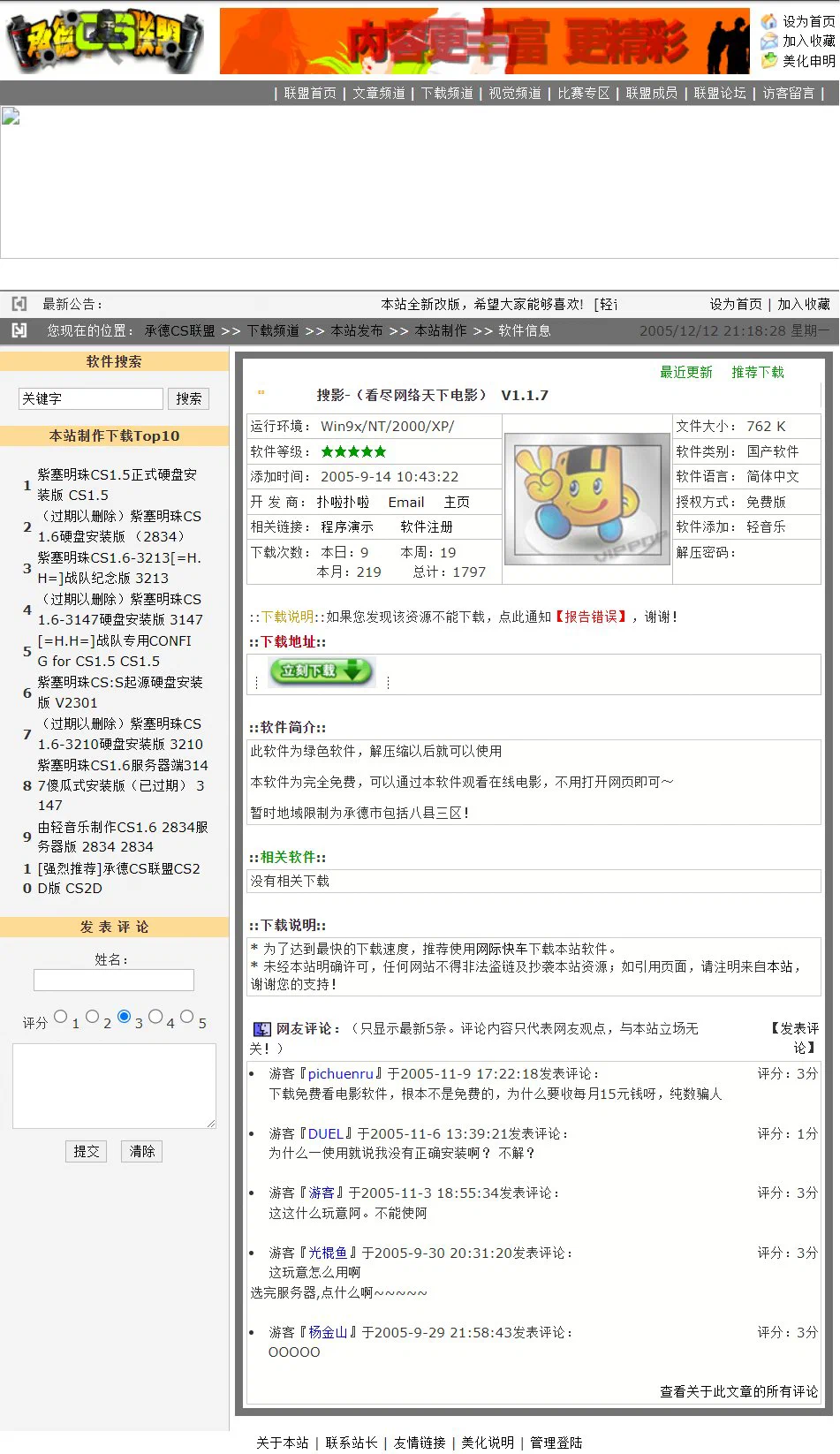
With computers and phones used side by side, responsive design and website search received more attention.
2013: Community features and information management
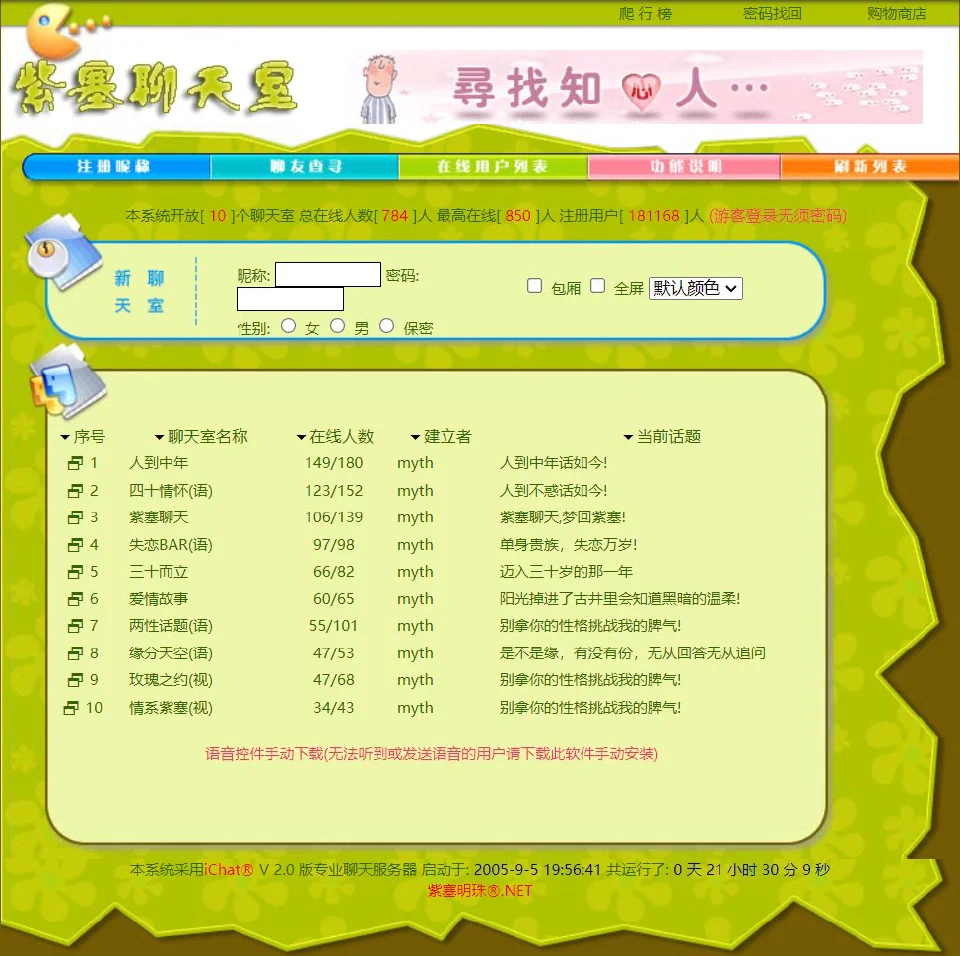
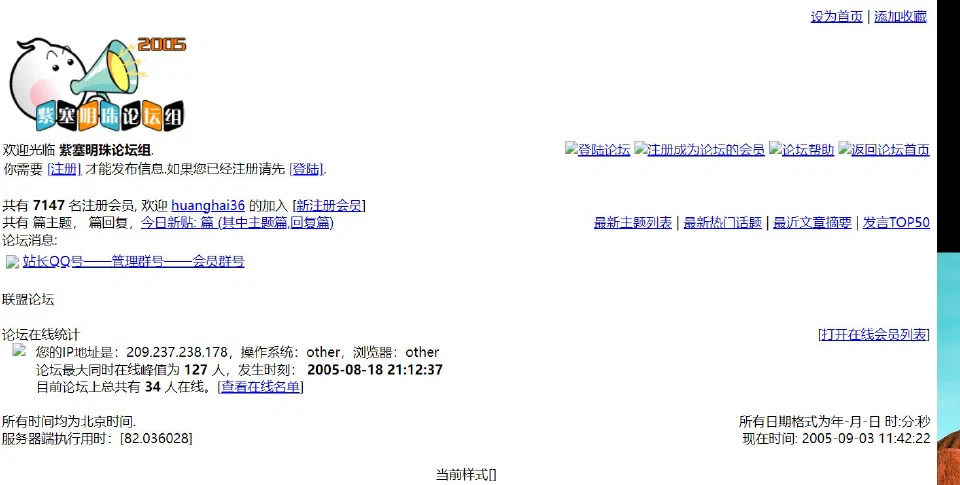
Traditional communities continued exploring more convenient ways to organize information and support interaction.
2014: Looking back at the early internet
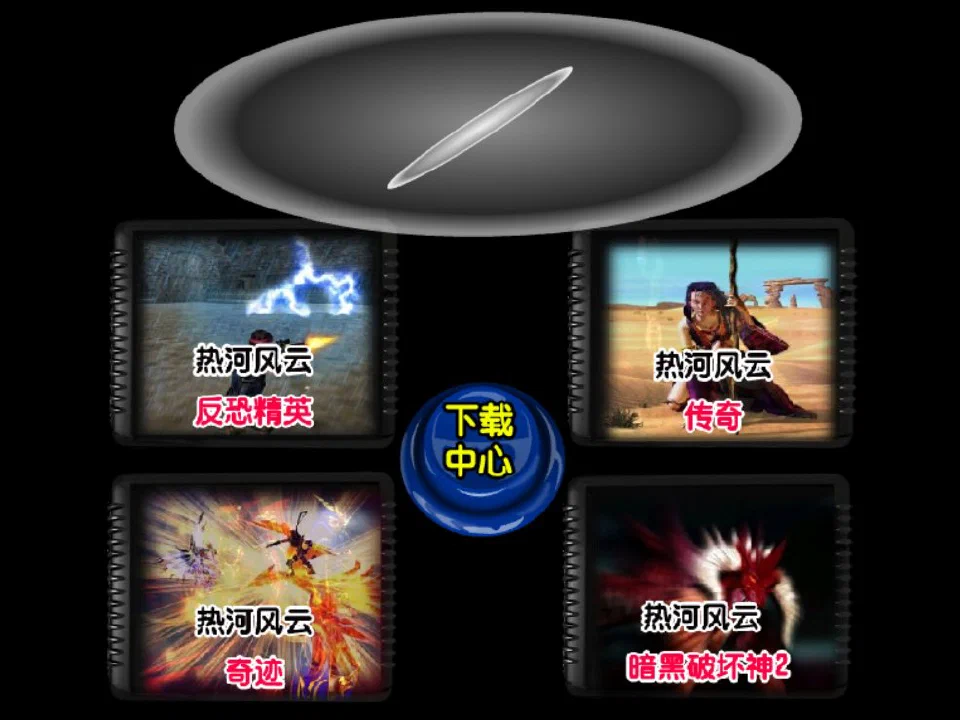
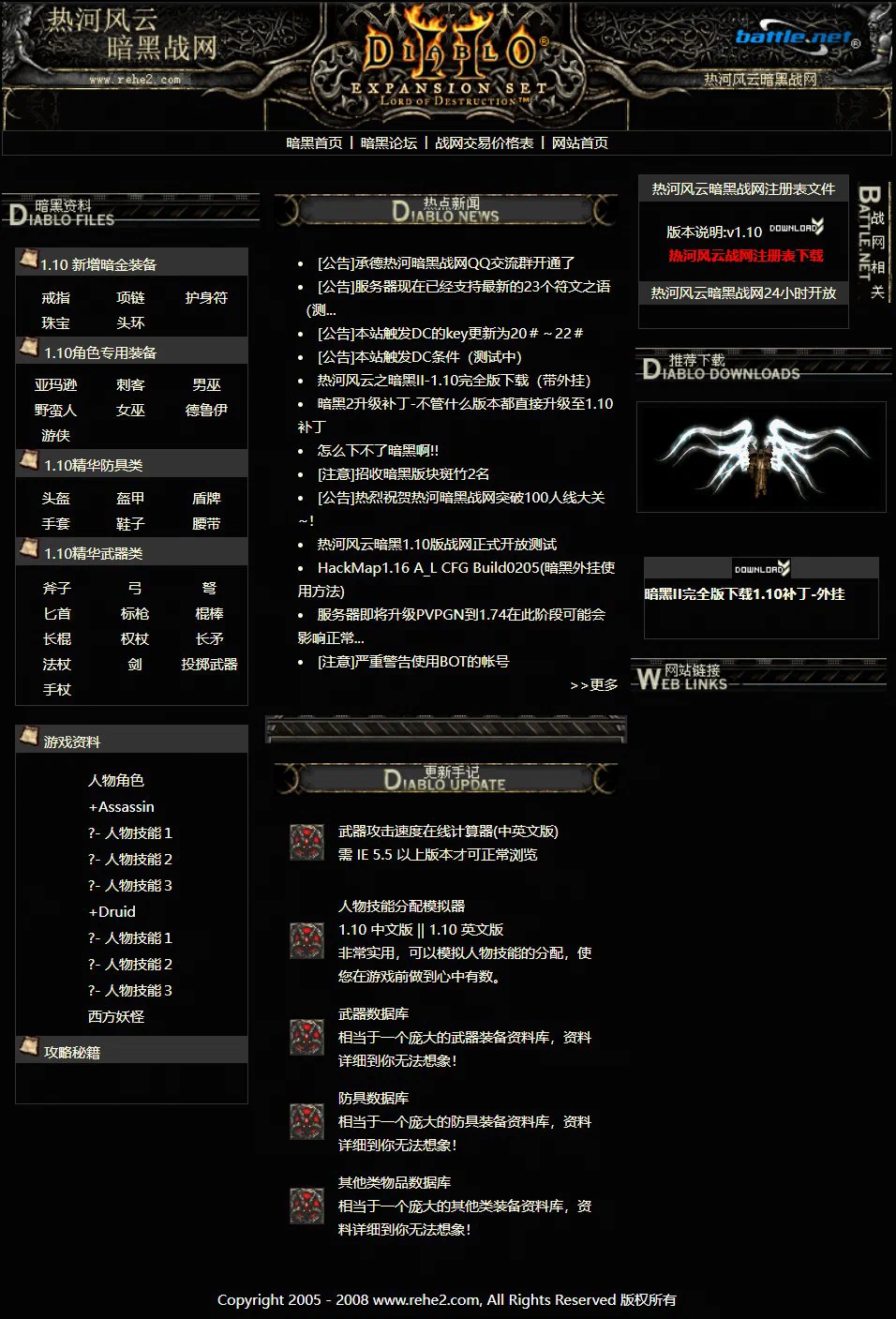
As the web became mobile, early design styles became digital memories in their own right. Familiar pages, forums and screen names preserved a generation’s youth.
After 2015: From website to personal blog
Around 2015, I gradually shifted ZISAI toward personal records and sharing, rather than a local portal and community. It increasingly held technical practice, career experience, reflections and memories of the city.
2015: The personal blog stage
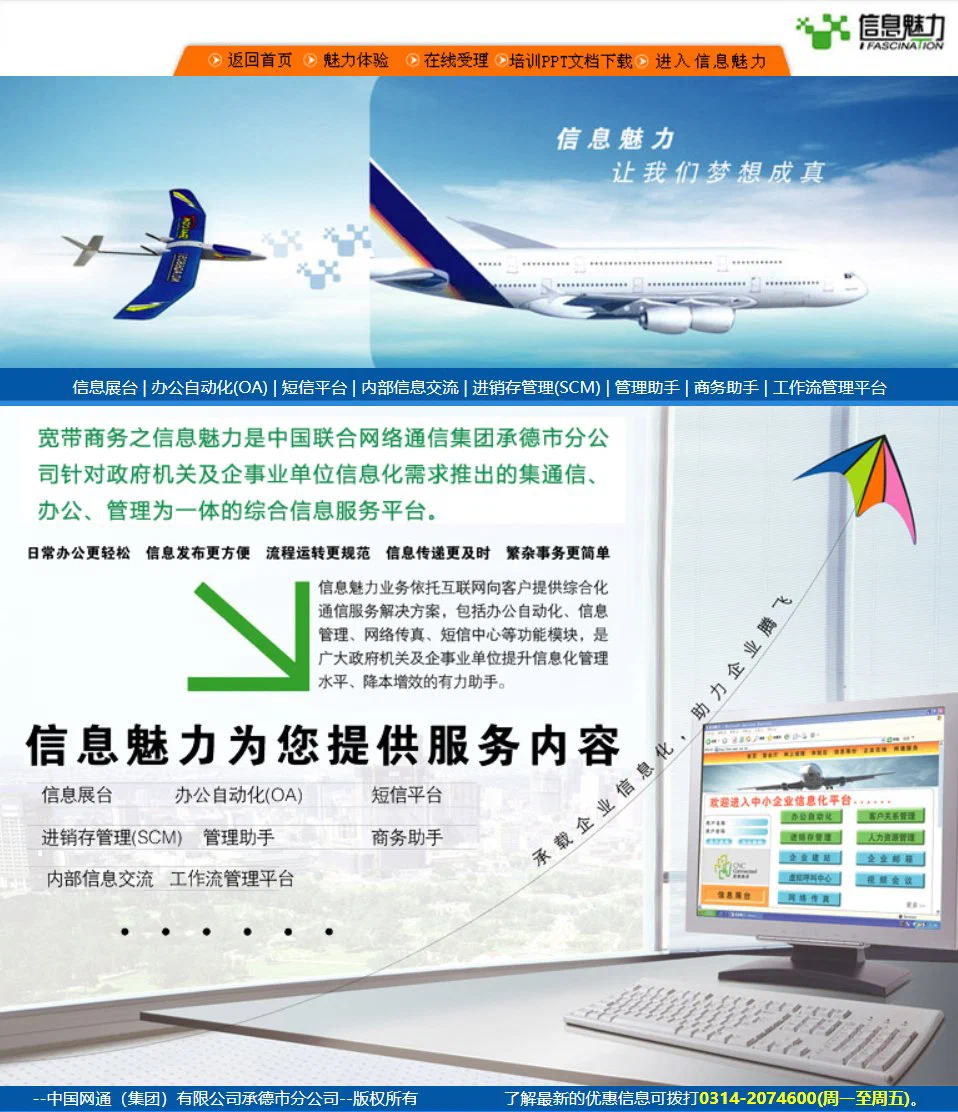
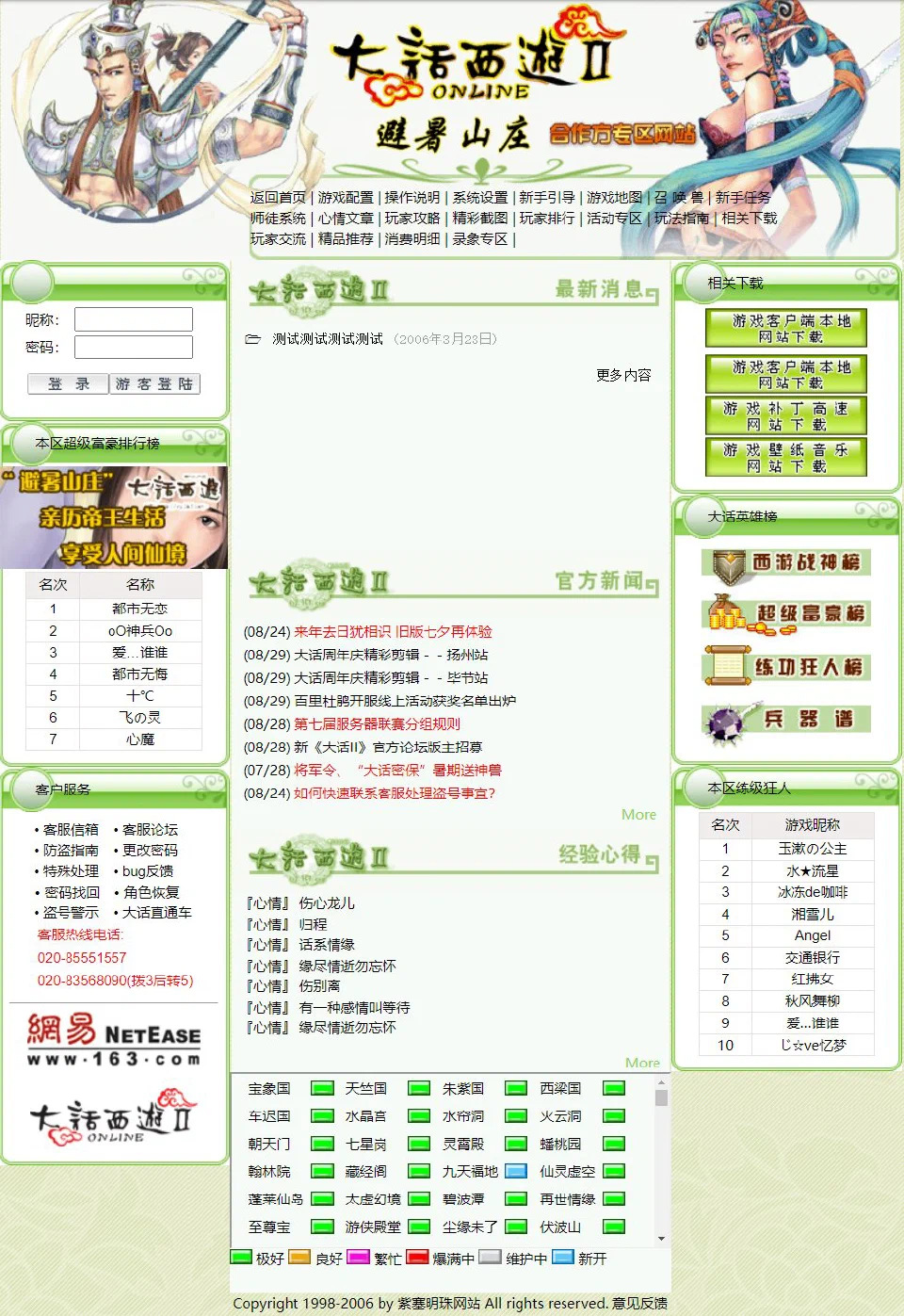
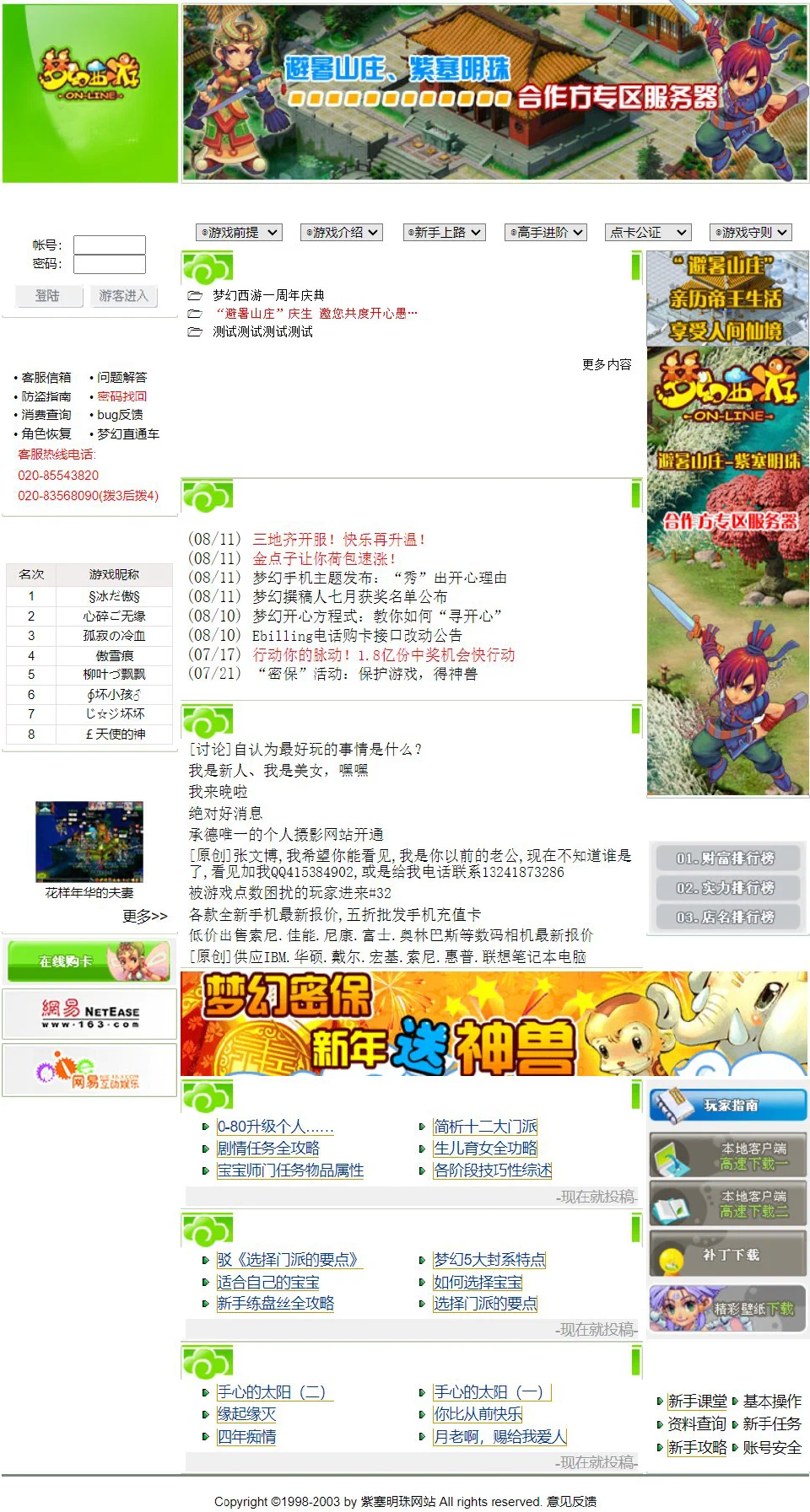
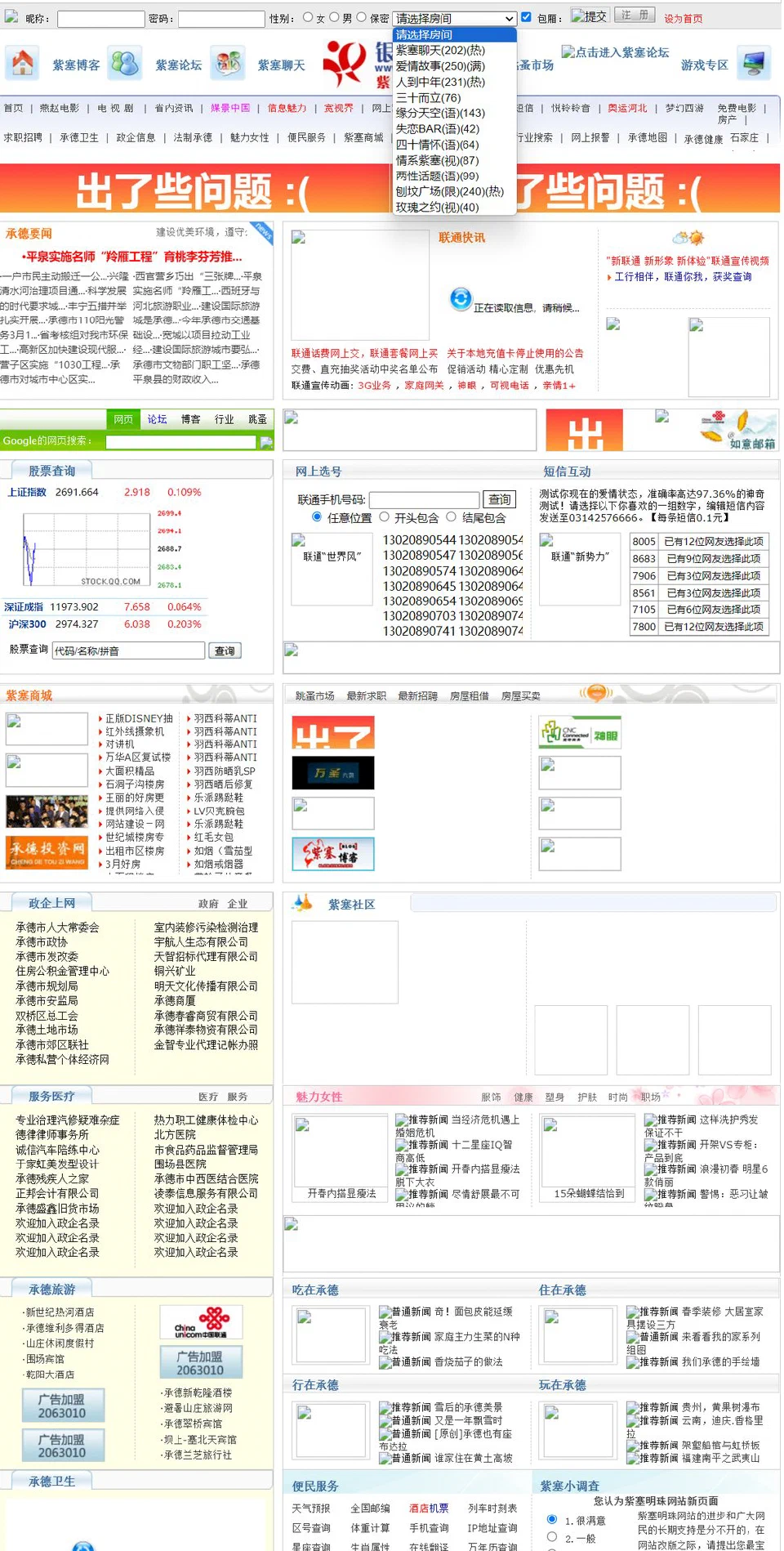
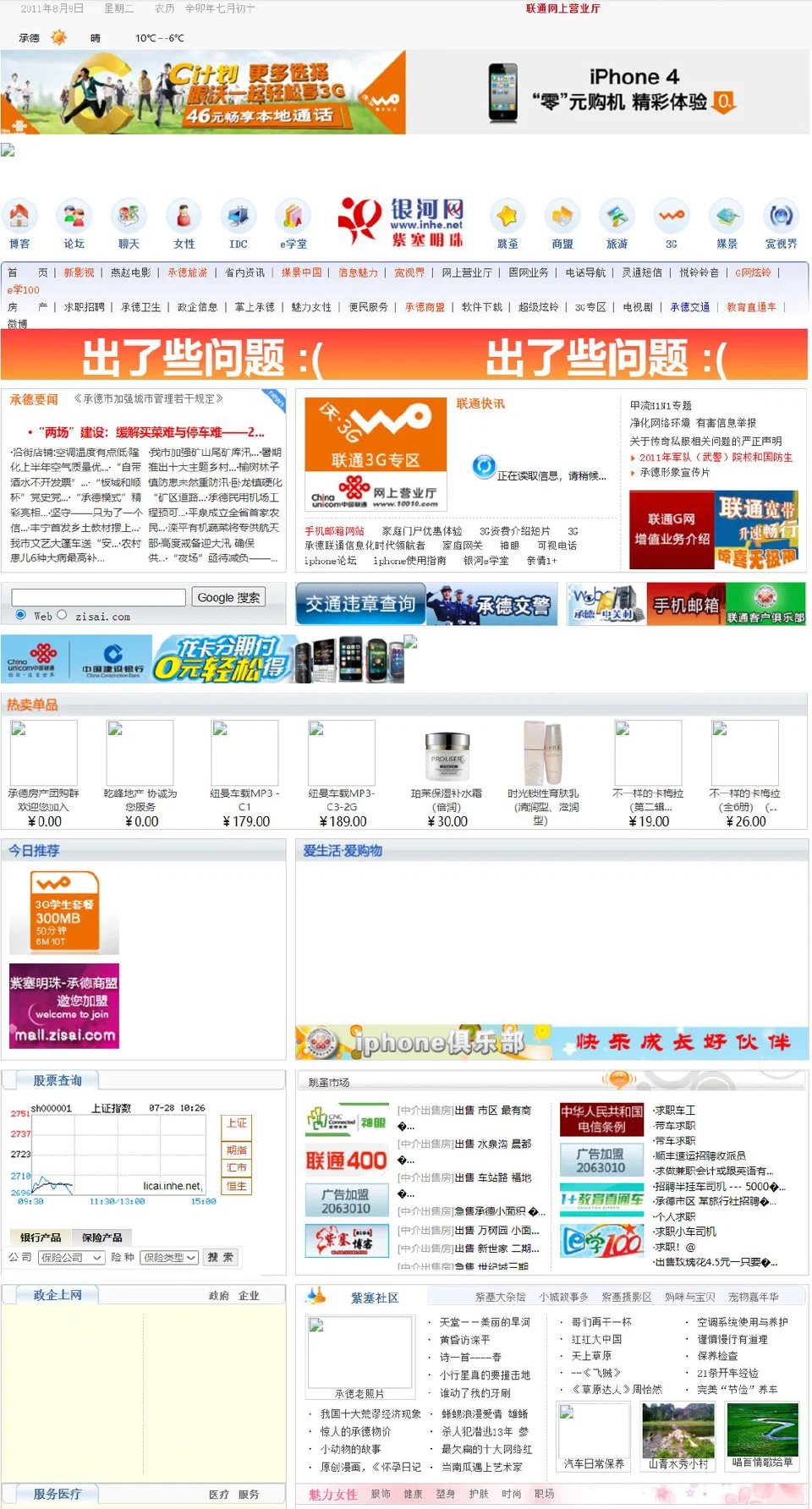
The format and audience changed, but the website remained a place for independent thought, free expression and practical technical exploration. Earlier ZISAI focused on a city and its internet community; today it records the relationship between one person and changing times.
2026: Reorganizing ZISAI
In 2026, I undertook a systematic rebuild using Hugo and a customized PaperMod theme, revisiting page structure, historical content, images and site identity. Speed and appearance were only part of the purpose: I also wanted to organize accumulated writing, images and public records, preserving useful history. The tools have changed from handwritten HTML to static generation, Git and cloud deployment. My willingness to spend time maintaining the site remains, both a technical habit and part of life.
About these historical images
The pictures come from previously saved and organized site material. Early records are incomplete, and the precise creation dates, original page addresses and versions of some images still need checking.
- Images follow the years and order of the original material.
- A year label is not necessarily the actual screenshot date.
- Some images may be later compilations, reconstructions or illustrations.
- Feature launch dates that have not been independently verified are not presented as established historical facts.
- Original pages, web archives and other reliable sources will be added as they become available.
These pages are worth keeping. Presenting them faithfully matters more than constructing a perfectly complete timeline.
Continuing
Twenty-eight years passed between 1998 and 2026. The internet moved from dial-up to high-speed networks, and from portals and forums to mobile apps and AI. Many familiar websites disappeared as new platforms emerged. ZISAI has changed too. As long as the domain and words remain, its stories still have somewhere to be kept.
Landscapes in words. Time leaves its traces.
ZISAI continues.